Therm-a-Rest Trail Pro Review
The Therm-a-Rest Trail Pro is a 3-inch, R-4.4 self-inflating foam pad that sleeps like a mattress but weighs 822 g and packs bulky.
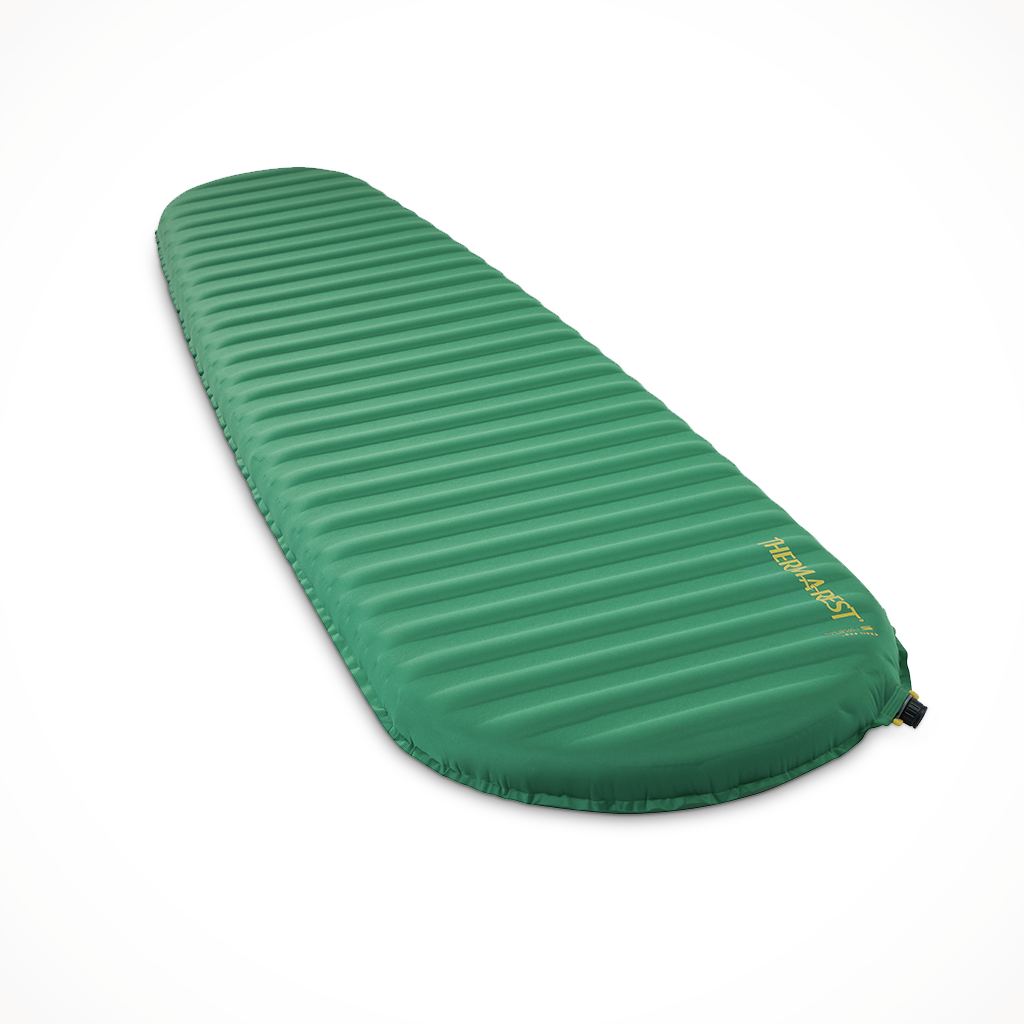
Overview
The Trail Pro is Therm-a-Rest’s thickest self-inflating backpacking pad: three inches of open-cell foam under a soft stretch-knit top, rated R 4.4 for year-round use. It is built for backpackers who put sleep quality ahead of base weight. The trade-off is plain. At 822 g in the Regular size, it is heavier and bulkier than most insulated air pads with comparable warmth.
Key Specs
| Spec | Detail |
|---|---|
| Weight | 822 g (1 lb 13 oz), Regular |
| R-value | 4.4 |
| Thickness | 3 in |
| Inflation | Self-inflating, topped up by mouth |
| Valve | WingLock |
| Construction | StrataCore |
| Inflated size | 72 x 20 x 3 in (Regular) |
| Packed size | 11 x 8.8 in (Regular) |
| Top fabric | 50D polyester knit |
| Bottom fabric | 75D polyester |
| Shape | Mummy |
| Includes | Stuff sack |
| Price | About $160 |

Would the Trail Pro Sleeping Pad earn its spot in your pack?
822 g · 29.0 ozAdd the Therm-a-Rest Trail Pro Sleeping Pad to your Gear Closet and see exactly what it does to your base weight, then start packing for your next trip.
Free · No credit card · iOS, Android & web · Trusted by 3,000+ backpackers
Performance
Comfort. This is where the Trail Pro earns its place. Better Trail’s tester scored it 4.5 out of 5 for comfort and named it a top pick among self-inflating pads. The tester noted that three inches of dense foam feels plusher than the number suggests, and compared it favorably with 3.5-inch pads like the Nemo Tensor All-Season and Big Agnes Rapide SL, and with the 4-inch Sea to Summit Ether Light XT. Foam doesn’t bottom out or wobble the way a tall air chamber can, and the knit top feels like a base layer against bare skin. The tester likened it to packing a real mattress into the woods.
Warmth. StrataCore pairs a continuous layer of thermal foam with alternating ridges of air and foam. Therm-a-Rest says this gives the best warmth-to-weight ratio of any self-inflating foam construction. The result is a 4.4 R-value, which the company positions as a four-season rating. Better Trail’s review describes the warmth as solid three-season. That matches the number: it handles frosty shoulder-season nights, but anyone planning deep-winter camping will want to add a closed-cell foam pad underneath.
Weight and bulk. This is the pad’s weak point. The Regular packs to 11 x 8.8 in, a fat cylinder by modern air-pad standards. Better Trail’s review calls it heavier and bulkier than most air pads, and says it is far too much pad for most weight- and space-conscious backpackers. Air pads such as Therm-a-Rest’s own NeoAir line pack to roughly the size of a water bottle. The Trail Pro will not.
Inflation. The pad fills on its own once the valve is opened, but most sleepers will still add a few breaths for firmness. The WingLock valve has a larger opening that Therm-a-Rest says moves three times the air of its classic valve, and its one-way toggle lets users inflate without losing air between breaths. Better Trail’s tester still found the intake valve clunky and a drag on inflation time.
Durability. The 2026 update moved the bottom fabric to 75D polyester, adding about an ounce and $5 over the previous version, according to Better Trail. A thick fabric over a foam core also means nothing to pop on a stray thorn. Owners of Therm-a-Rest’s related ProLite self-inflators on r/Ultralight describe pads that survived full thru-hikes and decades of use with few repairs. The Trail Pro uses the same self-inflating approach and a tougher face and base fabric.
Fit. The Regular is 20 inches wide and tapered. One REI reviewer, 5’10”, found that shoulders spilled over the edge when sleeping on the back, and the pad’s 3.5-star average on that retailer’s site reflects some complaints about width. Side sleepers and restless sleepers should consider the 25-inch Regular Wide or the 77-inch Long.
Pros & Cons
Pros
- Mattress-like comfort that bests many thicker air pads
- R 4.4 covers three seasons comfortably and can handle cold shoulder-season nights
- Soft knit top feels good against skin
- Heavy-duty fabrics with no air-chamber punctures to worry about
- Self-inflating, with a valve that speeds one-way inflation
- Roughly $160, less than most premium insulated air pads
Cons
- At 822 g, roughly 250 to 300 g heavier than a typical ultralight insulated air pad
- 11 x 8.8 in packed size takes real space inside a pack
- Valve can feel slow and clunky
- 20-inch Regular width is tight for broad shoulders
- Not a fit for gram-counters or long-distance thru-hikers
Who Should Buy This
The Trail Pro suits weekend and short-trip backpackers, side sleepers, anyone who runs cold, and campers who want one pad for the trail, the car and the cold shoulder seasons. It also suits hikers who have tried thin air pads and woke up sore. Thru-hikers and ultralight hikers counting every ounce should look at Therm-a-Rest’s NeoAir line or a comparable insulated air pad. The same goes for anyone short on pack volume.
Verdict
The Trail Pro delivers excellent comfort and reliable warmth for a fair price, and it asks for extra weight and bulk in return. Buy it if sleep matters more than the scale. Skip it if the pad’s job is to disappear into a 40-liter pack.