Sea to Summit Ultralight Insulated Air Sleeping Mat Review
Sea to Summit's quilted, 2-inch air pad weighs 349 g with an R-3.1 rating: a comfortable, packable three-season pad for back sleepers, with a few quirks.
Overview
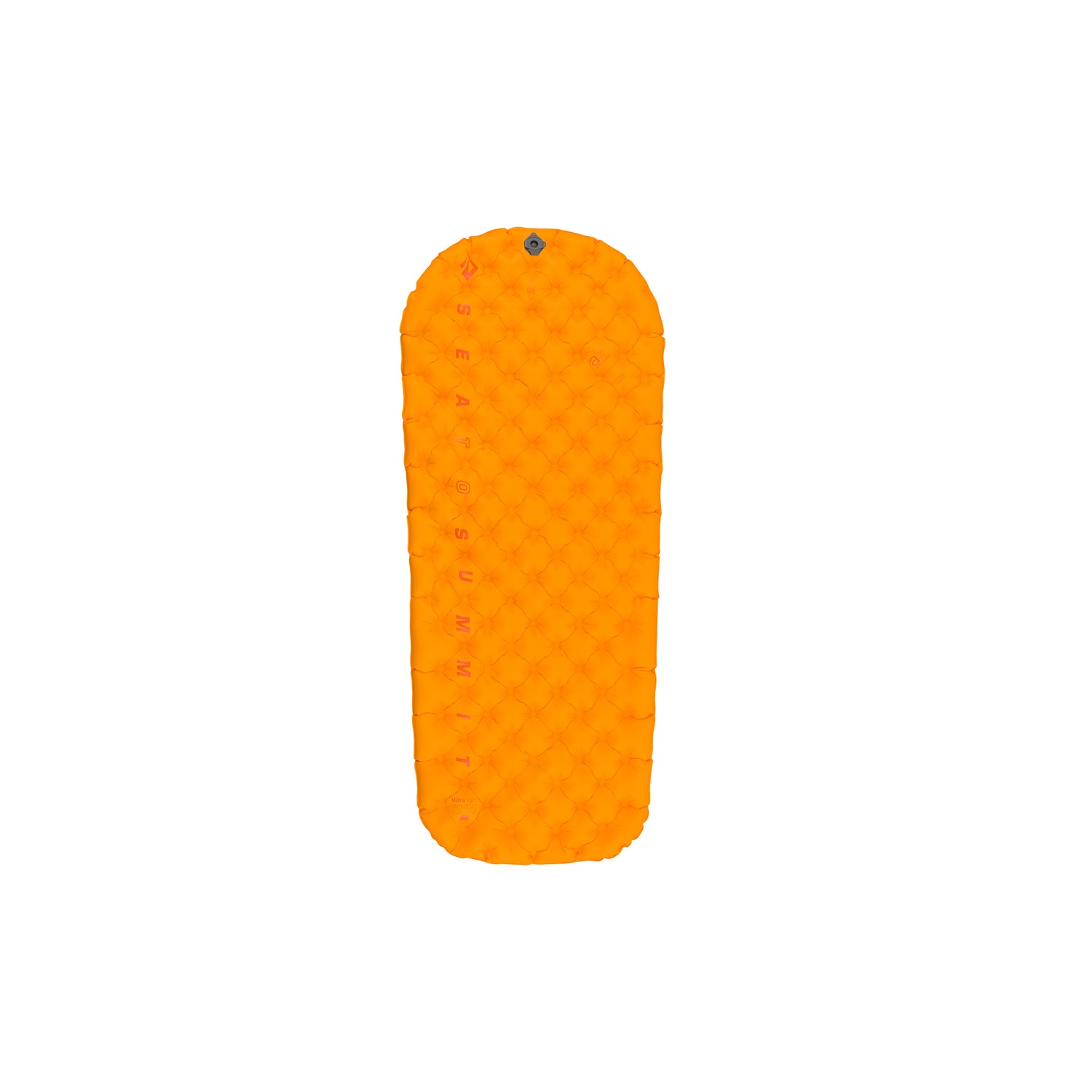
The Sea to Summit Ultralight Insulated Air Sleeping Mat is a three-season air pad built on the company’s Air Sprung Cell design, a grid of quilted air cells meant to feel more like a mattress than a pool float. At 349 g and 50 inches long, it targets hikers who want comfort and a small pack footprint without paying Therm-a-Rest NeoAir prices. The trade-off is a modest R-value and a thin 2-inch profile that rewards back and stomach sleepers more than restless side sleepers.
Key Specs
| Spec | Value |
|---|---|
| Weight | 349 g |
| ASTM R-Value | 3.1 |
| Dimensions | 50 x 21.5 in |
| Thickness | 2 in |
| Packed size | 3.5 x 9 in |
| Fabric | 30D/40D nylon |
| Insulation | Thermolite + Exkin Platinum |
| Cell design | Air Sprung Cells (single layer) |
| Inflation | One-way valve; stuff sack doubles as a pump sack |

Build your Gear Closet
View all of your gear in one place, create packing lists and hit the trail with confidence. Available on iOS, Android and the web.
Get StartedPerformance
Comfort. The pad’s defining feature is its quilted surface. CleverHiker’s Dave Collins logged 15 chilly, damp nights and more than 250 miles in the Oregon Cascades on the Ultralight Insulated and found the cell pattern spreads body weight evenly and gives a cozy, mattress-like feel. At 21.5 inches wide, the pad is about an inch and a half wider than most competitors, which gives shoulders and elbows a little more room. Owners on UK forums and blogs echo the comfort verdict, and one reviewer who sleeps on his side said he now turns over only a handful of times a night.
The caveat is thickness. Two inches is thin by current standards, and CleverHiker places it among the thinnest pads in its sleeping pad guide: solid for back and stomach sleepers, marginal for side sleepers and anyone who tosses. Underinflate it and hips will find the ground. Reviewers at UKC and CleverHiker both note that sitting abruptly on the pad can bottom it out, though a firmly inflated pad holds up when lying down.
Warmth. The Thermolite fill and Exkin Platinum reflective layer give an ASTM R-value of 3.1, squarely three-season territory. Reviewers across several seasons, from Appalachian Trail hikers to UK campers, describe it as comfortable from early spring through late autumn. Testers who have compared it to higher-end pads note the R-value is lower than the warmest competitors, and Greenbelly flagged this as a drawback. Cold sleepers planning shoulder-season nights near freezing should expect to add a foam layer underneath.
Inflation and packing. The one-way valve means no lips on the nozzle, and the included stuff sack converts into a bellows-style pump. Greenbelly’s testers reported inflating the pad in about four pumps. A thru-hiker reviewing the pad for The Trek said it inflated faster than a Therm-a-Rest Prolite and that the valve squeezes air out efficiently on deflation, leaving a compact roll. At 3.5 x 9 inches, it packs to roughly the size of a large water bottle. A repair kit is included in the box.
Durability and noise. The fabric is a mix of 30D and 40D ripstop nylon, and Collins found it held up well to normal wear. Owners are less unanimous about airtightness. Redditors list slow deflation overnight and punctures among the pad’s top complaints, and one REI reviewer went through two pads that lost air during the night, though Sea to Summit’s own testing of the first found no leak. Cold air contracting overnight and altitude changes can account for some of this, so top it off before bed. Noise is another recurring remark: owners compare the crinkle to a crisp packet, and one AT hiker called it a bit noisy if you toss and turn. It is not a silent pad, though most describe it as livable.
Pros & Cons
Pros
- 349 g with a 3.5 x 9 in packed size
- Quilted Air Sprung Cells feel more like a mattress than baffled competitors
- Wider than most competing pads at 21.5 in
- Fast inflation with a pump-sack stuff sack and one-way valve
- Reasonable three-season warmth at R-3.1
- Repair kit included
Cons
- 2 in of thickness is marginal for side sleepers
- R-3.1 is cool for shoulder-season nights
- Fabric crinkles when you shift
- Some owners report overnight air loss or punctures
- Needs to be firmly inflated to avoid bottoming out
Who Should Buy This
Back and stomach sleepers who want comfort and a small packed size for spring-to-fall trips will get the most from this pad. It also suits hikers moving away from stiffer, tube-style pads who want an easier-sleeping surface at a moderate price. Cold sleepers, restless side sleepers, and anyone who wakes at the faintest rustle should look at a thicker, warmer pad or a quieter fabric instead.
Verdict
The Ultralight Insulated is a comfortable, packable, three-season pad that sleeps more like a bed than most pads at this weight. It gives up some thickness, warmth and quiet to get there, and a minority of owners report air loss, so check the pad at home before trusting it on trail. For back sleepers on a budget, it is an easy recommendation.