Mountain Laurel Designs GoodNight EVA 1/8" Foam Pad Review
MLD's 3 mm Evazote foam sheet weighs 47–94 g and works as a puncture shield, grip layer and backup pad, but few people can sleep on it alone.
Overview
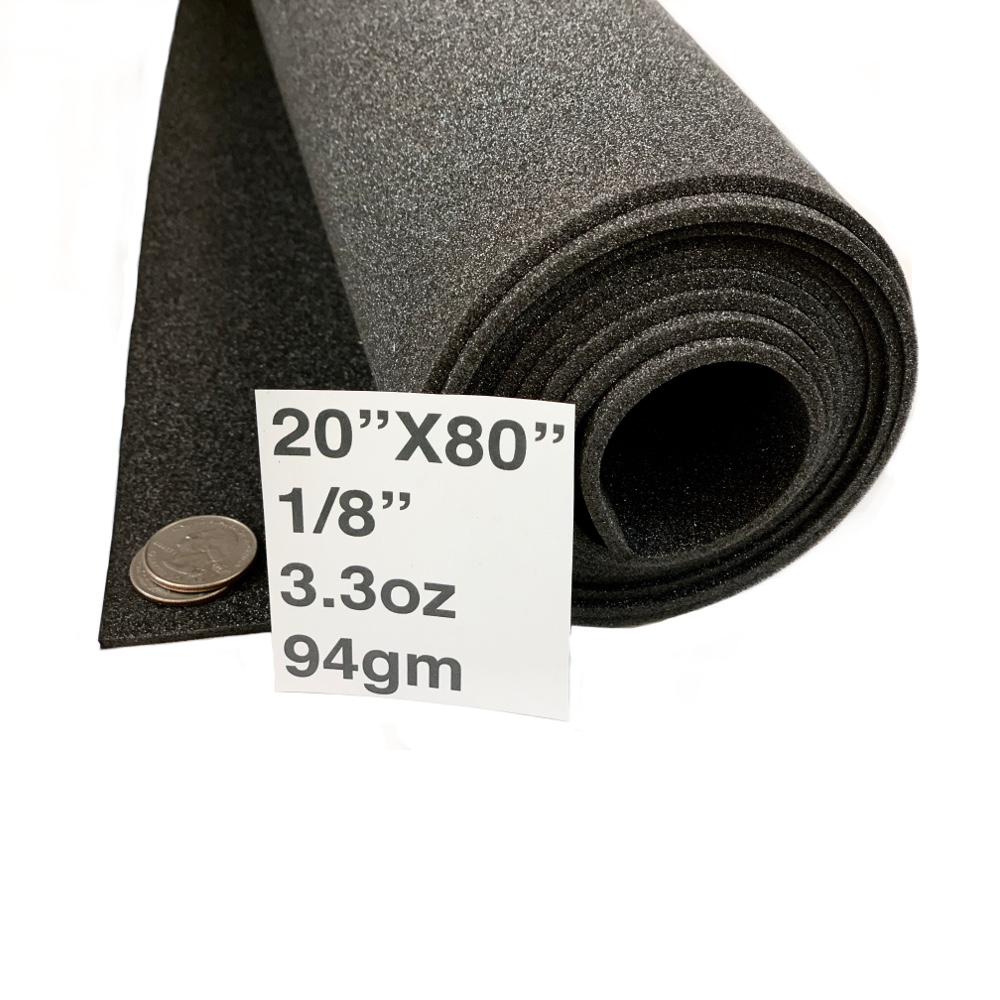
The GoodNight EVA is a sheet of 3.1 mm Evazote closed-cell foam, cut in sizes from a 20” x 40” torso piece to a longer standard cut. It is made in the USA by Mountain Laurel Designs and priced from $28 to $59, depending on size. It is a utility layer more than a mattress: it protects an inflatable pad, adds a little warmth, and keeps the pad from skating around the tent floor. The trade-off is that at 1/8” thick it offers almost no cushioning on its own.
Key Specs
| Spec | Detail |
|---|---|
| Weight | 47–94 g depending on size |
| Thickness | 1/8” (3.1 mm) |
| R-value | 0.4 (MLD’s conservative estimate) |
| Material | Evazote® closed-cell cross-linked ethylene copolymer foam |
| Dimensions (smallest size) | 20” x 40” (51 x 102 cm) |
| Made in | USA |
| Price | $28–$59 depending on size |
| Returns | Foam pads are not returnable |
Versions compared
| Version | Weight | vs. lightest |
|---|---|---|
| 20" x 40" | 47 g (1.7 oz) | lightest |
| Standard | 94 g (3.3 oz) | +47 g |

Would the GoodNight EVA 1/8" Foam Pad earn its spot in your pack?
94 g · 3.3 ozAdd the Mountain Laurel Designs GoodNight EVA 1/8" Foam Pad to your Gear Closet and see exactly what it does to your base weight, then start packing for your next trip.
Free · No credit card · iOS, Android & web · Trusted by 3,000+ backpackers
Performance
As an under-pad. This is where the GoodNight earns its place. A thin foam sheet beneath an ultralight inflatable shields the pad’s fabric from sticks, grit and the occasional thorn, and it adds a small bump in insulation. MLD rates the foam at R 0.4 and describes that figure as conservative. Body weight and the rest of the sleep system change the real-world number, so treat it as a shoulder-season nudge rather than a way to turn a summer pad into a winter one. Backpacking Light forum members who run thin EVA or similar 1/8” foam under an inflatable describe the same benefits: puncture protection, a bit of extra warmth, less sliding, and a fallback if the air pad fails. One user has run a comparable 1/8” pad this way since 2016 with no regrets.
Grip. The foam has a tacky surface. Under a slick nylon pad or a silnylon bivy, it keeps things in place on sloped ground or a slippery floor. One Reddit user who liked the pad noted that it clung to clothing at first, a quirk that faded as the foam wore in. A forum member who compared it with Gossamer Gear’s Thinlight found the MLD sheet a little less smooth in finish.
As a standalone pad. Opinions split sharply. A Reddit user found it far more comfortable than two other closed-cell pads they had tried, crediting the thin, lower-density foam. A self-described closed-cell believer tried one night and gave up. Another owner bought the largest size and folded it four times into a thick torso pad, which was the only way they could use it alone. At 3 mm, the pad is a ground sheet with ambitions. Side sleepers on hard dirt will feel every root and rock.
In a hammock. One verified owner used it in a double-layer hammock in 40-degree-range temperatures, on top of a loosely adjusted underquilt. The pad eliminated the cold spots the underquilt left behind. The same owner noted that the thin foam is a bit floppy and takes some fiddling to position.
Durability and versatility. MLD uses Evazote rather than the cheaper Plastazote, which it says is tougher and more resilient. Backpacking Light participants make the same distinction: Plastazote is lighter and warmer per ounce but compresses quickly and falls apart at thin gauges. The 1/8” Evazote is not rugged enough for rough use as a sit pad, according to one owner, but at this weight, wear is a cheap problem to have. MLD also suggests using it as a ground cloth, a gear-sorting surface, or folded as a virtual frame in a frameless pack. The 20 x 80” size rolls to a diameter of about 3.5 inches.
Choosing a Version
Only the cut changes: the foam, thickness and R-value are identical across versions.
- 20” x 40” (47 g): A torso-length piece. It suits hikers who pair it with a short inflatable, put it under the hips and shoulders only, or want a pack frame sheet and sit pad for the lowest possible weight.
- Standard (94 g): The larger cut, for hikers who want full coverage under a regular-length inflatable. It is the better pick if the pad may need to serve as a backup mattress, since a torso piece leaves legs on the dirt.
Cutting down a bigger sheet is easy with scissors, so buying the larger size and trimming it is the lower-regret choice for anyone unsure.
Pros & Cons
Pros
- 47–94 g for puncture protection, a grip layer and a backup pad in one
- Evazote foam is tougher than cheaper alternatives, according to MLD and owners
- Tacky surface keeps inflatables and bivies from sliding
- Available in a range of sizes, and routinely in stock
- Made in the USA, with a perfect rating from verified owners on MLD’s site
Cons
- At R 0.4, the insulation boost is modest
- Too thin to be a comfortable standalone pad for most sleepers
- Floppy and awkward to position, with a tendency to cling to clothing at first
- Foam pads cannot be returned
Who Should Buy This
Anyone who sleeps on an ultralight inflatable and wants cheap insurance: thru-hikers who have lost nights to a punctured pad, hammock campers with underquilt cold spots, and bivy users tired of sliding downhill. It also suits people building a frameless pack setup who want a fold-flat back panel. Hikers hoping to leave the inflatable at home should look elsewhere, toward a thicker closed-cell pad like MLD’s own 1/4” option or a standard accordion pad. Anyone who needs real cushioning for side sleeping will want air.
Verdict
The GoodNight EVA 1/8” is a good accessory and a questionable mattress. For under $60 and 47–94 g, it adds durability, grip and a little warmth to an inflatable setup. Buy it for that job, and keep expectations low if the plan is to sleep on it alone.