DJI Neo Intelligent Flight Battery Review
The DJI Neo Intelligent Flight Battery is a 45 g, 1435 mAh spare that adds up to 18 minutes of flight to a 135 g drone, at a modest weight cost per flight.
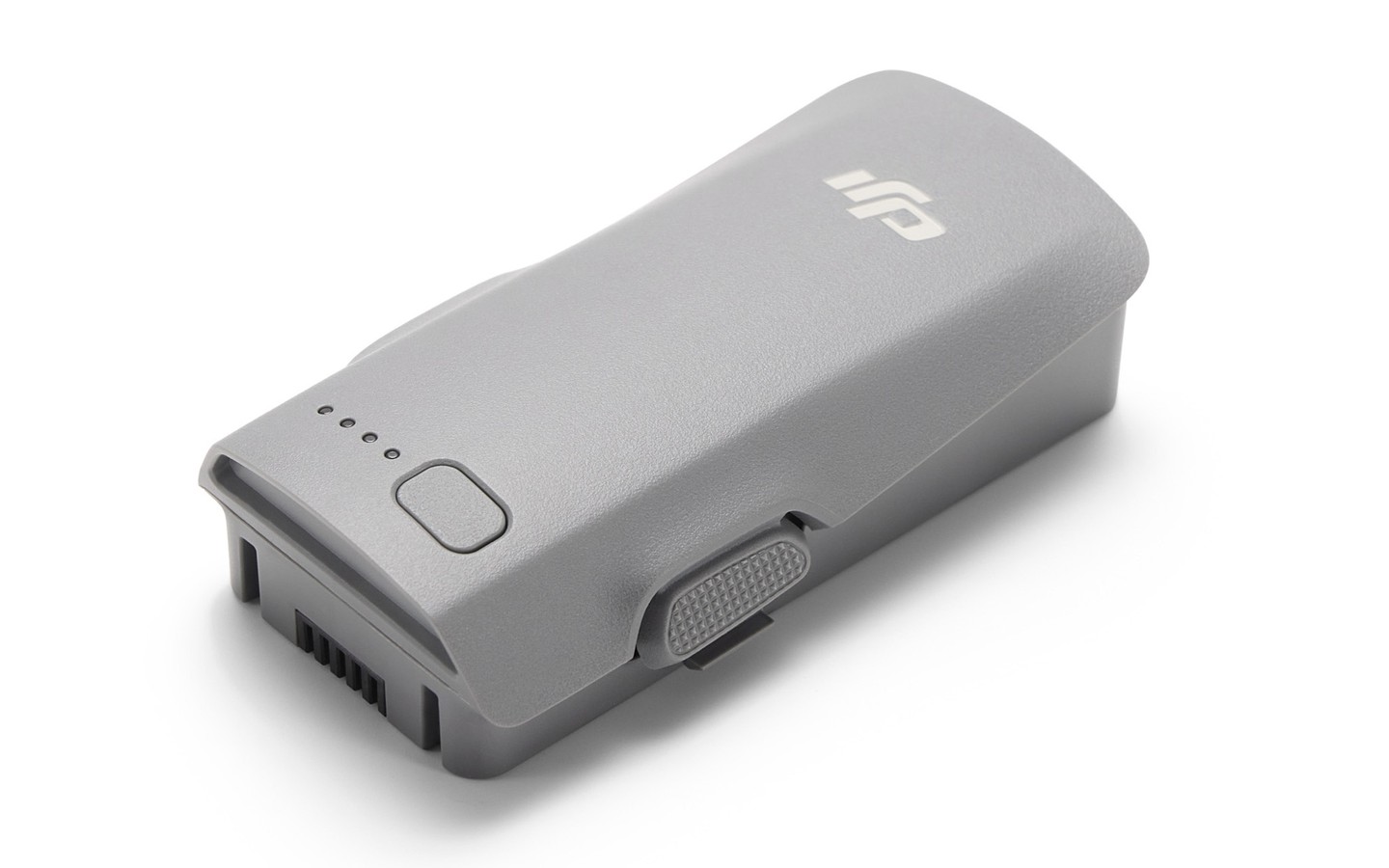
Overview
The DJI Neo Intelligent Flight Battery is the only power source for the DJI Neo, the 135 g palm-launch drone that has become a popular way to get aerial footage without carrying a camera-drone kit. For backpackers, the battery is the real range limiter: one pack is about 18 minutes of flying, and the trade-off is a spare that costs 45 g and a few dollars per minute of airtime. It is a purpose-built, no-frills part. It does its job and asks for nothing else.
Key Specs
| Spec | Value |
|---|---|
| Weight | 45 g (1.6 oz) |
| Capacity | 1,435 mAh |
| Energy | 10.5 Wh |
| Nominal voltage | 7.3 V |
| Max charging voltage | 8.6 V |
| Chemistry | Li-ion |
| Max flight time | Up to 18 min (about 17 min with propeller guards) |
| Charging temperature | 5° to 40° C (41° to 104° F) |
| Charge time, in drone (15 W) | About 50 min, 0–100% |
| Charge time, Two-Way Charging Hub (60 W) | About 60 min for three batteries |
| Compatibility | DJI Neo |
| Warranty | Limited one-year, with fewer than 100 charge cycles (per retailer listings) |

Would the Neo Intelligent Flight Battery earn its spot in your pack?
45 g · 1.6 ozAdd the DJI Neo Intelligent Flight Battery to your Gear Closet and see exactly what it does to your base weight, then start packing for your next trip.
Free · No credit card · iOS, Android & web · Trusted by 3,000+ backpackers
Performance
Flight time. DJI’s 18-minute figure comes from a laboratory run: forward flight at a steady 2 m/s, no wind, near sea level, photo mode, 100% to 0%. DJI itself notes that results vary with environment, use and firmware. Real trail flying is rarely that polite. Ridgeline wind, climbing, Sport-mode sprints and subject tracking all draw more than a lazy glide in a lab, so a working figure shorter than 18 minutes is the sensible planning number. The Neo’s rated wind resistance is 8 m/s, and a battery working against that is not sipping. Mounting the propeller guards costs about a minute of rated flight, bringing the figure to roughly 17.
Weight in context. At 45 g, the battery accounts for about a third of the Neo’s 135 g takeoff weight, which is why a spare is such a small burden: three batteries together weigh 135 g, the same as the aircraft itself, and represent a rated 54 minutes of flying. At 10.5 Wh, the pack works out to roughly 233 Wh per kilogram. A spare adds less weight than most people’s phone charger and cable and nothing like the heft of a camera-drone setup.
Takeoffs and landings. DJI says a full charge supports at least 20 palm takeoffs and landings in succession, which suits the way the Neo is actually used on trail: launch from a hand, grab a 20-second orbit or follow shot, land, repeat. Short clips use the battery more efficiently than a single long hover.
Charging. The weakest part of the workflow is the wait. Charging inside the drone through USB-C tops out at 15 W and takes about 50 minutes for a full cycle. The Two-Way Charging Hub, which comes in the Fly More Combo, pushes 60 W across three batteries in about 60 minutes, which is the better option in a hostel or hut with a wall outlet and a USB-PD brick. In the backcountry, the practical answer is to charge from a power bank able to deliver PD output. The charging window of 5° to 40° C means a battery that spent a night in a frozen tent should be warmed in a jacket or sleeping bag before it goes on a charger.
Pricing and availability. DJI lists the battery at $59. Retailer prices have ranged from roughly $39 at B&H and some specialty shops to $75 and $89 at others, with stock at several dealers intermittently sold out. A $59 spare buys about 3.3 dollars per rated minute of flight; at the lower prices, closer to 2.2. Buying from DJI or an authorized dealer keeps the warranty intact.
Travel. At 10.5 Wh, the pack sits far below the 100 Wh threshold that triggers airline restrictions on spare lithium batteries, so a handful of them can ride in a carry-on. Spares should travel in carry-on luggage, not checked bags, as with any lithium cells.
Pros & Cons
Pros
- 45 g per spare, a third of the aircraft’s own weight
- Rated 18 minutes of flight and at least 20 palm takeoffs and landings per charge
- 10.5 Wh capacity keeps carry-on air travel simple
- Charges in the drone at 15 W or three at a time on the hub
- Official $59 price is modest next to the cost of the drone
Cons
- Fits only the DJI Neo
- The 18-minute rating comes from still-air lab conditions; wind and aggressive flying shorten it
- Charging in the aircraft takes about 50 minutes, so spares only help if they are charged before the trip
- Charging is limited to 5° to 40° C, which complicates cold-weather use
- Retailer pricing is inconsistent and stock is spotty
Who Should Buy This
Anyone who already owns a Neo and wants to shoot more than one session per day should carry at least one spare. A thru-hiker or section hiker who films ridge, summit and camp footage in short bursts, then recharges from a power bank at town stops, gets the most from the weight. The battery makes less sense for anyone who flies casually once or twice a trip; the single pack that ships with the drone covers that. It is also not an option for owners of other DJI drones, since it is specified for the Neo only.
Verdict
The Neo battery is a simple, light and fairly priced way to double or triple the drone’s flying time at a weight cost most pack lists will absorb. It is not exciting, but it is the one accessory that most improves how the Neo performs on a long trip. Buy it at or near $59 from an authorized dealer, charge it before the trailhead, and plan on less than 18 minutes in wind.