smartwater 1L Bottle Review
Packstack is reader-supported. When you buy through links on our site, we may earn an affiliate commission. This does not affect the independence or objectivity of our reviews.
The smartwater 1L bottle is the ultralight backpacking community's worst-kept secret — a 34g, Sawyer-compatible vessel you can grab at any gas station for under $3.
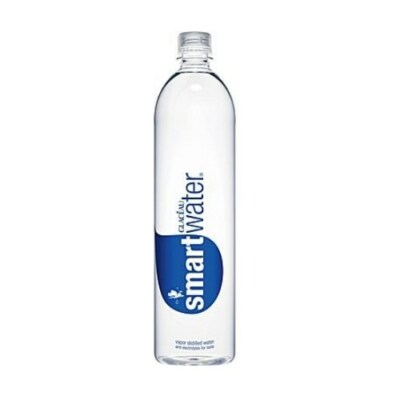
Overview
If you cross paths with any thru-hiker, there’s a very good chance you’ll see them carrying a bottle of smartwater — the bottled water that has become synonymous with ultralight backpacking.
It’s not a gear product in any conventional sense, but it has earned its place on gear lists through a combination of near-featherweight construction, accidental filter compatibility, and absurd availability. This review is for weight-conscious hikers who want to understand exactly what they’re getting — and what they’re giving up — when they ditch their Nalgene for a grocery store bottle.
Key Specs
| Spec | Value |
|---|---|
| Weight | 34 g (1.2 oz) |
| Capacity | 1,000 mL (1L) |
| Material | rPET (recycled PET), BPA-free |
| Thread Standard | Standard 28 mm (Sawyer Squeeze / Sawyer MINI compatible) |
| Hot Liquid Safe | No |
| Approximate Cost | $2–3 (filled with water at retail) |
Would the smartwater 1L Bottle earn its spot in your pack?
34 g · 1.2 ozAdd the smartwater smartwater 1L Bottle to your gear closet and see exactly what it does to your base weight — then build your next packing list around it. Free, in about two minutes.
Free · No credit card · iOS & Android · Trusted by 3,000+ backpackers
Performance
Weight and Packability
At 34 g, this is about as light as a rigid 1L vessel gets. They’re exceptionally light at 34 grams when empty, relatively durable, and cost about a dollar. For context, a Nalgene Ultralite 1L — already considered a lightweight option — tips the scales at around 106 g. The smartwater bottle also has a tall, slender profile that works in its favor on the trail. Smartwater is “just the perfect shape for traditional backpack pockets.” The tall, narrow silhouette is better suited for pack side pockets — and can even be doubled up — unlike the shorter, wider bottles from brands like Nalgene. That said, the same height that makes them easy to grab can cause them to slide out of shallower pockets; one section hiker I’ve seen mentioned losing bottles to trail-side vegetation on off-trail routes.
Filter Compatibility
This is the main reason the smartwater 1L became a thru-hiking institution. The bottle is compatible with the Sawyer Squeeze filter — a filtration system whose threads enable it to screw directly onto its mouthpiece for immediate, filtered drinking, making them an ultralight hydration system that allows backpackers and thru-hikers to filter out bacteria and protozoa on the go. The same 28 mm threading that fits the Sawyer Squeeze also fits the Sawyer MINI. In practice, this means you can use one smartwater bottle as your “dirty water” squeeze vessel and a second as your clean drinking bottle — a two-bottle system that weighs next to nothing and requires zero dedicated squeeze pouches, which have a reputation for failing at their seams. The bottles are flexible enough to substitute for the mylar pouches that come with the Squeeze, but rigid enough that they can be filled easily in still or slow-moving water — a genuine advantage over soft pouches when you’re trying to fill up from a shallow alpine pond.
One useful hack worth knowing: you can buy a 700 mL smartwater with a sports cap and swap it onto your 1L bottle. With it, you can backflush your Sawyer filter without the cleaning plunger, and it’s a flip-up cap that makes it easy to drink from your water bottle with one hand. This is a legitimate upgrade if you use trekking poles.
Durability
For a bottle technically labeled “single-use,” the durability track record is surprisingly strong. Smartwater bottles are durable despite being disposable. One AT thru-hiker carried one for three months, only throwing it out because it started to get grimy. Personal accounts from the trail back this up consistently. The bottles can take a beating — dropped on rocks and squeezed hard when filtering. The bottle will get crinkled and scarred, but they don’t leak, and the same bottles have been used for months at a time on thru-hikes. The caveat: the more you squeeze, the more the sidewalls distort over time. Filtering from a hard-sided bottle means frequent burping to let air back in while a vacuum forms in the bottle that slowly degrades its sidewalls. It’s not a dealbreaker — just something to expect on a long trip.
Limitations
The narrow mouth is a real friction point for some users. Some hikers find the narrow mouth a drawback: it makes it harder to add drink mixes and electrolyte powders, and some SteriPen models won’t fit inside. If you use chemical treatment or a UV pen as your primary water treatment method, this bottle is significantly less convenient. It also cannot handle boiling water. These bottles don’t handle boiling water, which is another reason not to use them in winter (snow melting). And in genuinely cold conditions, they freeze much more quickly than a Nalgene — keep that in mind for late-season or high-elevation trips.
Ethics and Health
It’s worth addressing honestly. The biggest downsides to smartwater are in regard to health and ethics. Any purchase supports the single-use water bottle industry, and the bottles are made with PET, a plastic not designed for long-term use that is suspected of long-term phthalate leaching and nanoplastic contamination. The current bottles are made from rPET (recycled PET), which is a step in the right direction, but the underlying concern about repeated reuse of a single-use vessel remains a legitimate one that each hiker should weigh for themselves. If this is a dealbreaker, reusable alternatives like the HydraPak Tempo or Nalgene Ultralite use purpose-built materials, at the cost of added weight and price.
Pros & Cons
Pros
- Ultralight at 34 g — the lightest hard-sided 1L option available
- Native 28 mm thread compatibility with Sawyer Squeeze and Sawyer MINI
- Tall, narrow profile fits side pockets of virtually every backpack
-
Capable of lasting for many years of hard backpacking use, despite the “single-use” classification
-
Available at almost every grocery store and gas station
— resupply is trivial - Rigid enough to fill from still water, flexible enough to squeeze through a filter
- BPA-free; now made from rPET
Cons
- Narrow mouth frustrates electrolyte powder users and rules out SteriPen use
- Cannot handle boiling water or hot liquids
-
The lid screws down tight, but it’s small, doesn’t attach automatically, and is easy to misplace or drop
- Repeated squeezing degrades sidewalls over a long trip
- Ongoing health questions around PET plastic with extended reuse
- Ethically tangled — buying bottled water to use as a reusable vessel is genuinely awkward
- Freezes much more quickly than a Nalgene; not suitable for winter use
Who Should Buy This
The smartwater 1L is purpose-built — unintentionally — for the Sawyer Squeeze or MINI user who is optimizing system weight and values filter integration above all else. From a performance and value perspective, the smartwater 1L still reigns supreme among hard ultralight water bottles. It’s the right call for thru-hikers, ultralight weekend packers, and anyone running a two-bottle dirty/clean squeeze system. It’s less suited to cold-weather mountaineers, users who rely on UV treatment, or anyone who likes to dissolve drink mixes on the go. If the ethical dimension matters to you, investigate purpose-built rPET or HDPE reusable alternatives before committing.
Verdict
The smartwater 1L bottle is one of the few pieces of gear where the hype is actually justified by the numbers. In a world of very expensive ultralight gear, when you have a super cheap option that works this well, it’s kind of a no-brainer. At 34 g and a few dollars, the weight-to-cost ratio is essentially unbeatable in its category. The filter compatibility turns a beverage container into a functional hydration system component — that’s a rare piece of accidental engineering. The ethical concerns around single-use plastic are real and worth sitting with, but the rPET construction and demonstrated multi-year field longevity soften the blow somewhat. Rating: 8.5/10.