3F UL Gear 15D Silicone-Coated Compression Dry Bag Review
A 48–76 g silicone-coated 15D nylon roll-top dry bag with an air valve for compressing sleeping bags and clothing, at a fraction of big-brand prices.
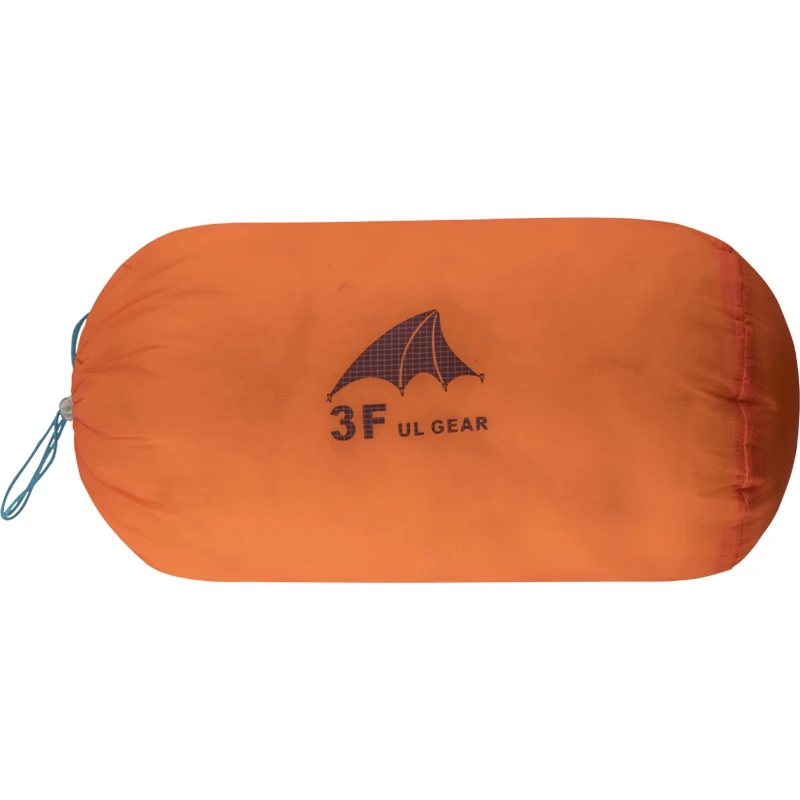
Overview
The 3F UL Gear 15D Compression Dry Bag is a roll-top sack made from silicone-coated 15D ripstop nylon, with a one-way air valve for squeezing out trapped air. It comes in 12 L, 24 L and 36 L, and it is aimed at backpackers who want a pack liner or a sleeping bag and clothing sack that costs less than a sandwich-shop lunch. The trade-off is the usual one for budget direct-from-China gear: low weight and low price, with little independent testing behind the waterproofing claims.
Key Specs
| Spec | Detail |
|---|---|
| Weight | 48–76 g depending on size |
| Capacities | 12 L, 24 L, 36 L |
| Shell fabric | 15D silicone-coated ripstop nylon (210T polyester taffeta and 30D Cordura appear across the wider 3F dry bag line) |
| Closure | Roll-top with air-release valve |
| Dimensions | 12 L: 33 × 45 cm; 24 L: 43 × 54 cm; 36 L: 48 × 68 cm |
| Price | About $15.74 on the manufacturer’s site (listed down from $22.49); European retailers such as Nomali list it at €29.90 |

Would the 15D Silicone-Coated Compression Dry Bag earn its spot in your pack?
64 g · 2.2 ozAdd the 3F UL Gear 15D Silicone-Coated Compression Dry Bag to your Gear Closet and see exactly what it does to your base weight, then start packing for your next trip.
Free · No credit card · iOS, Android & web · Trusted by 3,000+ backpackers
Performance
Weight and fabric. The 24 L bag, the size used for the headline weight, comes in at 63.5 g. Even the 36 L is 76 g. That puts it a step above the thinnest dry sacks on the market. Exped’s Fold Drybag UL, for example, is also 15D ripstop but tops out at 61 g in its 40 L size and has no valve. The extra grams here buy a larger, compression-oriented format. A 15D shell is a fabric for the inside of a pack, not the outside. It needs protecting from sticks, rock edges and a pack’s own zipper teeth, and it is happiest lining a pack or living in a bag that is already padded by other gear.
Compression. The air valve is the reason to choose this over a plain roll-top. After the bag is rolled shut, the valve lets the user press out the air without having to open the closure. For a quilt or puffy jacket, that means a denser, more stable bundle that packs into a pack’s corners instead of fighting with it. Nomali, a Swedish retailer, describes the valve as letting the user regulate and release air so the bag takes up less space. One caution: compressing down insulation hard for days at a time is a good way to lose loft, so the valve is best used on the trail and not for long-term storage.
Waterproofing. The silicone coating sheds rain and splashes well. Buyers on the manufacturer’s listing, which averages 4.9 out of 5 across 10 ratings, mostly praise the build quality and light weight. One reviewer found water generally stayed out, with a single microscopic droplet coming through along one seam. That fits what silicone-coated, stitched fabric usually does: it handles the rain, river-crossing splashes and a wet pack bottom, but it should not be treated as a submersible bag. Hikers who need the sleeping bag to survive a dunking should add a second layer or choose a taped-seam, heavier-fabric sack.
Sizing. Capacity labels deserve a check against the dimensions. One buyer who ordered a 10 L bag from the wider 3F line received a 12 L. The measured dimensions above are the safer guide when choosing.
Choosing a Version
The three sizes share a fabric and a closure. Only the volume, and about 28 g of weight, changes.
- 12 L (48 g, 33 × 45 cm): Suits a puffy jacket, spare clothing or a small quilt. It is the one to pick for organizing a smaller frameless pack or a bikepacking bag.
- 24 L (63.5 g, 43 × 54 cm): The best all-rounder. It holds a 20°F-class down bag or a full sleep-system and clothing kit, and it fits inside a 40–50 L pack without taking over.
- 36 L (76 g, 48 × 68 cm): For bulky synthetic bags, winter insulation or a group-gear sack. Hikers with a 30–40 L pack should skip it, because it can overwhelm the space it is meant to save.
Pros & Cons
Pros
- 48–76 g across the range, light enough to carry two without noticing
- Air valve allows compression after the roll-top is closed
- Three useful sizes covering clothing, quilts and bulkier bags
- Low price, roughly $16 from the manufacturer
- Silicone-coated 15D fabric sheds rain and splashes
Cons
- Thin 15D shell is vulnerable to abrasion and punctures
- Not a submersion-grade bag; one buyer reported a seam droplet
- Size labeling on the 3F range has been inconsistent for at least one buyer
- Direct-from-China sourcing means slow shipping and little recourse on quality issues
- Heavier than plain roll-top dry sacks that omit the valve
Who Should Buy This
Backpackers who want a cheap, light sleeping bag or clothing sack and a way to shrink it, particularly those with a frameless or small-volume pack. It also suits anyone who wants to try the dry-bag-as-pack-liner approach without paying brand-name prices. Paddlers, packrafters and anyone who expects their gear to take real water should look at heavier, taped-seam bags from Sea to Summit or similar makers. Thru-hikers who are hard on gear may also want a 30D-and-up fabric.
Verdict
A well-priced, genuinely light compression sack that does what its spec sheet promises for rain and pack-liner duty. The thin fabric and uncertain seam performance keep it from being a fit for river crossings or rough use. The 24 L is the version to buy for most three-season hikers.