Cricket Original Lighter Review
A budget disposable lighter that's cheap, tiny, and easy to find—but is it durable enough to trust on trail? Here's the honest breakdown.
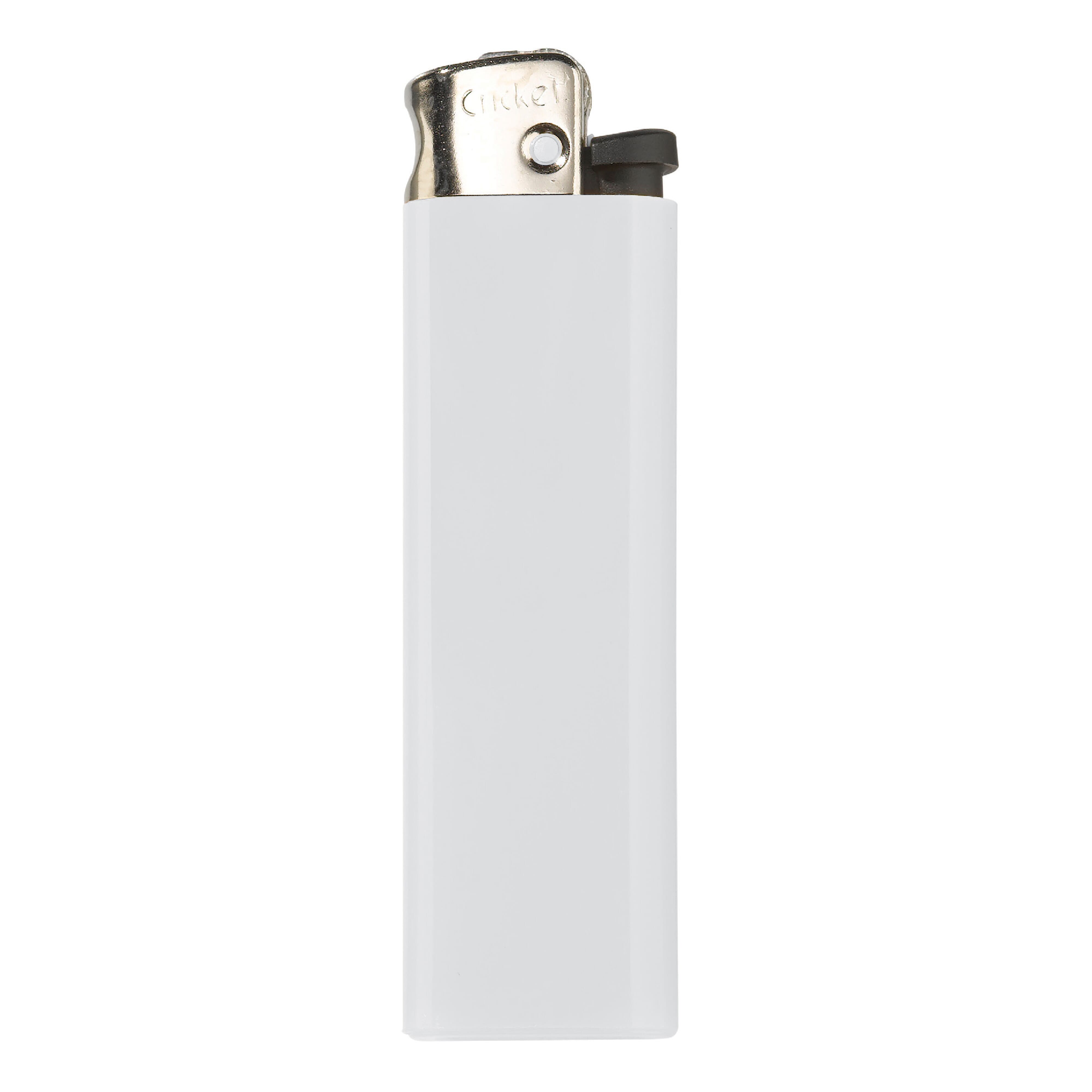
Overview
The Cricket Original is a disposable flint-and-butane lighter that’s been a gas station and convenience store staple for decades. At 17 grams and roughly the size of a AA battery, it’s an obvious candidate for the “how do I light my stove/emergency fire” slot in an ultralight kit—if you’re the type who’d rather carry a $1 lighter than a $10 one.
Key Specs
| Spec | Value |
|---|---|
| Weight | 17.0 g (0.6 oz) |
| Dimensions | 23 x 80 x 10 mm |
| Ignitions | Up to 2,000 |
| Child-resistant | Yes |
| Refillable | No |
| Fuel type | Butane |
| Flame type | Fixed, non-adjustable |

Would the Cricket Original Lighter earn its spot in your pack?
17 g · 0.6 ozAdd the Cricket Original Lighter to your Gear Closet and see exactly what it does to your base weight, then start packing for your next trip.
Free · No credit card · iOS, Android & web · Trusted by 3,000+ backpackers
Performance
Let’s start with the obvious: at 17 grams, the Cricket is competitive with the classic Mini Bic in the weight department, and it’s cheap enough that losing one in a river crossing isn’t a tragedy. The rated 2,000 ignitions is plenty for years of stove-lighting duty, assuming the butane doesn’t leak out or the flint doesn’t wear down first.
That “assuming” is doing a lot of work. When I looked at how Cricket stacks up against other disposable lighters in gear forums, the consensus wasn’t flattering. On BladeForums, one longtime user summed it up bluntly: Cricket lighters are about the same as Scripto—slightly better than standard cheapo adjustable flame lighters, but Bic is a cut above with a classic rugged build. That tracks with what I’ve felt handling one: the plastic body and hinge on the spark wheel feel noticeably less substantial than a Bic’s.
Durability complaints show up elsewhere too. One Quora answer addressing why Bic outlasted Cricket in the market didn’t mince words, noting Bic beat Cricket through having higher quality lighters—Crickets don’t last as long and aren’t as hardy, and stepping on one breaks it while a Bic can be picked back up and used. That’s anecdotal, but it lines up with the general reputation Cricket has as a “gas station lighter” rather than a piece of gear you’d trust your dinner or emergency fire to.
For context on what backpackers actually reach for, one widely-cited lighter test found the Mini BIC earned a top pick for reliability, value, and ultralight weight, lighting a perfect 200 out of 200 strikes in testing. I haven’t run the Cricket through anything close to that rigorous a test myself, and I couldn’t find anyone who has—which is itself telling. The gear community’s testing energy has overwhelmingly gone toward Bic and Clipper, not Cricket, so if you’re looking for hard ignition-reliability numbers on the Cricket specifically, they largely don’t exist. Treat any strong claims about its wet-weather or altitude performance as speculation until proven otherwise.
One counterpoint: not everyone’s down on it. A thread on the Backpacking Light forums had at least one member declare “Cricket lighters rule!” while defending disposable lighters generally over more finicky alternatives—so it’s not universally panned, just clearly the budget-tier option in most people’s mental hierarchy.
Practically speaking, the fixed (non-adjustable) flame means you don’t get the fine control some stoves benefit from, and since it’s not refillable, once the butane’s gone or the flint wears out, it’s landfill-bound. No piezo ignition here—it’s flint-wheel only, so a wet or gritty wheel can mean multiple strikes before you get flame, same as any classic disposable.
Pros & Cons
Pros:
- Extremely cheap and available almost anywhere—gas stations, drugstores, grocery checkouts
- 17 g weight is competitive with the Mini Bic for pack weight counters
- Small profile (23 x 80 x 10 mm) tucks easily into a stove bag or hip belt pocket
- Simple flint-wheel mechanism with no batteries or charging required
- Child-resistant design if that matters for your household
Cons:
- Reputation for feeling less durable than a Bic; body and wheel hinge feel cheaper in hand
- Not refillable—once it’s empty or the flint’s shot, it’s trash
- No adjustable flame
- Little to no independent reliability testing exists specifically for this lighter, unlike the Mini Bic or Clipper
- Not marketed or reviewed as a dedicated backcountry product—you’re relying on general-purpose lighter performance
Who Should Buy This
The Cricket makes sense as a backup lighter you toss in a ditty bag or stash in a vehicle glovebox—somewhere the stakes of failure are low and the price point matters more than proven reliability. If you’re relying on a single ignition source for a multi-day trip, especially somewhere cold, wet, or remote, the lack of independent testing data and the durability complaints from long-time users are reasons to look elsewhere first.
Verdict
The Cricket Original does the basic job of a disposable lighter for not much money, and its weight won’t hurt your kit. But it doesn’t have the reputation, the flame consistency, or the community track record that’s made the Mini Bic the default choice for backpackers who need a lighter they can trust without thinking twice. I’d carry one as a cheap backup, not as my primary fire source. Call it a 6/10—fine in a pinch, but there are better-proven options for the same weight class.