Cumulus X-Lite 400 Review
Packstack is reader-supported. When you buy through links on our site, we may earn an affiliate commission. This does not affect the independence or objectivity of our reviews.
A deep dive into the Cumulus X-Lite 400, an ultralight 900-fill down bag that trades bells and whistles for a genuinely astonishing weight-to-warmth ratio.
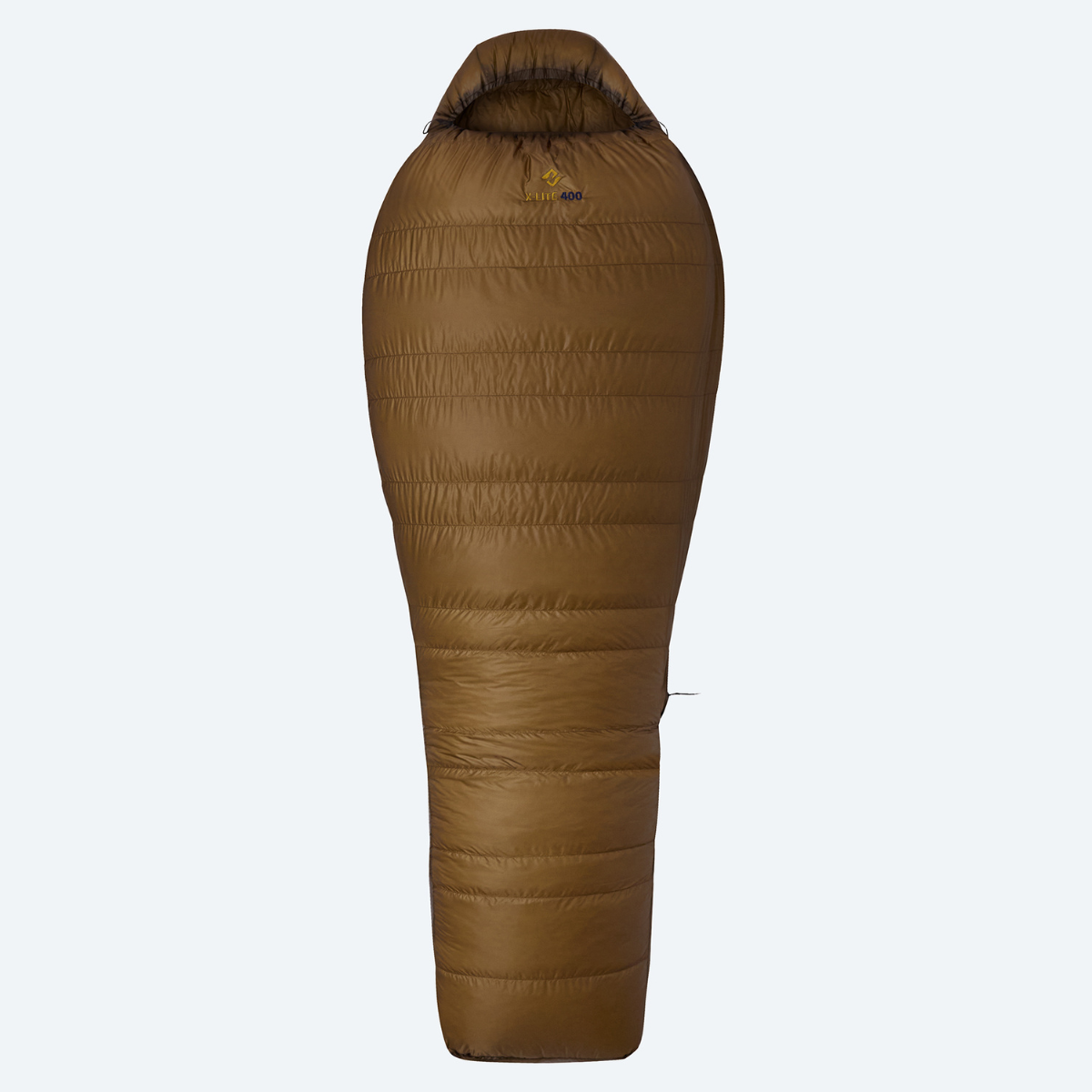
Overview
The Cumulus X-Lite 400 is a minimalist down sleeping bag built for people who count grams before they count sheep — trail runners, bikepackers, and thru-hikers who want a 3-season bag without the weight penalty of a “normal” 400g-fill bag. Cumulus, a Polish manufacturer that’s been a bit of an open secret among European ultralight circles for years, strips this bag down to the essentials: no neck baffle, no draft collar bulk, no extra fabric anywhere it isn’t earning its keep. What’s left is 575g of bag stuffed with 400g of 900 fill-power goose down, rated to a -1°C comfort / -7°C limit.
Key Specs
| Spec | Detail |
|---|---|
| Weight | 575 g (1.27 lb) |
| Fill | 400 g, 900 fill-power Polish goose down |
| Comfort temp | -1°C (30°F) |
| Limit temp | -7°C (19°F) |
| Shell/liner fabric | Toray® Airtastic, 0.56 oz/yd² (19 g/m²), 7D ripstop, DWR, 100% nylon |
| Zipper | YKK® #3 coil, 2/3 length |
| Seasons | 2–3 |
| Sizing | One standard size off-the-shelf; length/width/down fill customizable direct from Cumulus |
Would the X-Lite 400 earn its spot in your pack?
575 g · 20.3 ozAdd the Cumulus X-Lite 400 to your gear closet and see exactly what it does to your base weight — then build your next packing list around it. Free, in about two minutes.
Free · No credit card · iOS & Android · Trusted by 3,000+ backpackers
Performance
The headline number here is the fill: 900 fill-power goose down is about as good as down gets commercially, and Cumulus backs it up with one of the lightest down-proof fabrics on the market. The sleeping bag is made of the world’s lightest down-proof fabric, 0.56 oz/yd² Toray Airtastic, paired with a light #3 coil 2/3-length YKK zip and a slim fit that helps improve insulation. On paper and in practice, that combination is what gets you a sub-600g bag rated below freezing — most bags in this weight class are either lower fill power or carry less down.
Warmth-wise, the -1°C comfort rating tracks with what owners report. Multiple Reddit users mention running warm in it rather than cold — one user found the 400 to be too warm above 40°F and ordered the 300 version instead, and another reported never being cold even on Sweden’s Kungsleden trail, having slept unzipped with snow outside. That’s a pattern worth noting: if you run warm at night, you may want to size down to the X-Lite 300 rather than the 400, or plan to vent it a lot in the 40s.
Packability is the other standout. Owners consistently describe it as absurdly compressible for the warmth on tap — it’s insanely packable, and the bag gets so big when you let it out of its compression bag that it’s almost unbelievable. That’s the 900 FP down doing its job; loft-to-pack-size ratio is genuinely one of the best you’ll find without moving into $600+ boutique territory.
Where the “minimalist” design philosophy shows its trade-offs is in cold-weather refinement. A UK forum commenter pointed out a real limitation: as an ultra-lite design, it has no neck baffle, which can make a significant difference in sub-zero temperatures. That lines up with the bag’s own billing as a 2–3 season piece rather than a true winter bag — if you’re chasing single-digit nights, you’ll want a heavier jacket layer or a bag with a proper draft collar, not this one. The same commenter also noted that the bag doesn’t appear to be tested under the EN standard, which may explain discrepancies in advertised temperature ratings — worth keeping in mind since Cumulus’s numbers are in-house rather than independently certified like many mainstream competitors.
On fabric durability, feedback from Cumulus’s related Lite Line models (similar ultralight shells) suggests the fragility trade-off is real but manageable: you’ll have to be careful of sharp objects like crampons, pointy rocks, and bushes, since any of those can open up the fabric quickly, but that’s the first compromise you make when chasing low weight. Treat this like you would any 7D shell — no dragging it across granite, no sharing a tent floor with your crampons.
Fit is a mixed bag depending on your body type. Cumulus only sells one stock size, though you can customize length, width, and down amount, but you’ll pay meaningfully more for any customization. Some testers of Cumulus’s sister products also flagged an uneven down distribution: a 55/45 top/bottom down split that works fine for back sleepers but leaves side-sleepers or restless sleepers covered by the thinner side eventually. If you toss and turn, factor that in — it’s not a dealbreaker, but it does mean the effective warmth you get depends on how still you sleep.
The included stuff sack situation is generous by industry standards — one buyer noted their order came with a 5-liter stuff sack, no separate purchase needed.
Pros & Cons
Pros
- Exceptional weight-to-warmth ratio thanks to 900 FP down and ultralight 19 g/m² Toray Airtastic fabric
- Compresses down remarkably small for a bag rated below freezing
- Fully customizable through Cumulus direct (length, width, fill amount, zipper side, fabric upgrades)
- Competitively priced against boutique cottage brands like Zpacks or Hummingbird
- DWR-treated shell adds a bit of moisture resistance for condensation-prone shelters
Cons
- No neck baffle — noticeably less warm in sub-zero conditions than bags with one
- Temperature ratings aren’t EN/ISO certified, so treat them as directional, not gospel
- Fragile 7D fabric demands real care around sharp gear
- Runs warm for some users above 40°F, so sizing between the 300 and 400 fill takes some thought
- Only one stock body size; anything more tailored means added cost and lead time from Poland
Who Should Buy This
This is the right bag for weight-obsessed 3-season backpackers, thru-hikers, and bikepackers who sleep in shelters (tents, bivies, tarps) rather than fully exposed, and who are comfortable pairing it with a puffy jacket on the occasional colder night rather than expecting the bag to do all the work. If you’re a side sleeper who rolls a lot, or you’re routinely camping well below freezing, look at a version with more overfill or a model with a neck baffle instead.
Verdict
The X-Lite 400 delivers on its core promise: it’s genuinely one of the lightest bags you can buy for its temperature range, and the 900 FP down makes the packed size a non-issue for anyone running a sub-30L quilt-and-bag setup. It’s not the warmest bag at -7°C limit once wind or real winter conditions show up, and the minimalist build means you’re trading some refinement (and some fabric toughness) for the weight savings. For 3-season use where grams matter more than margin for error, it’s an easy 8.2/10 — just be honest with yourself about how cold you actually sleep before you pick the 400 over the 300.