Simond Sprint Tarp Tent 2P Review
Decathlon's mountaineering brand Simond enters the DCF game with a 635g, trekking-pole-pitched 2P tarp tent — here's what the specs and early hands-on coverage tell us.
Overview
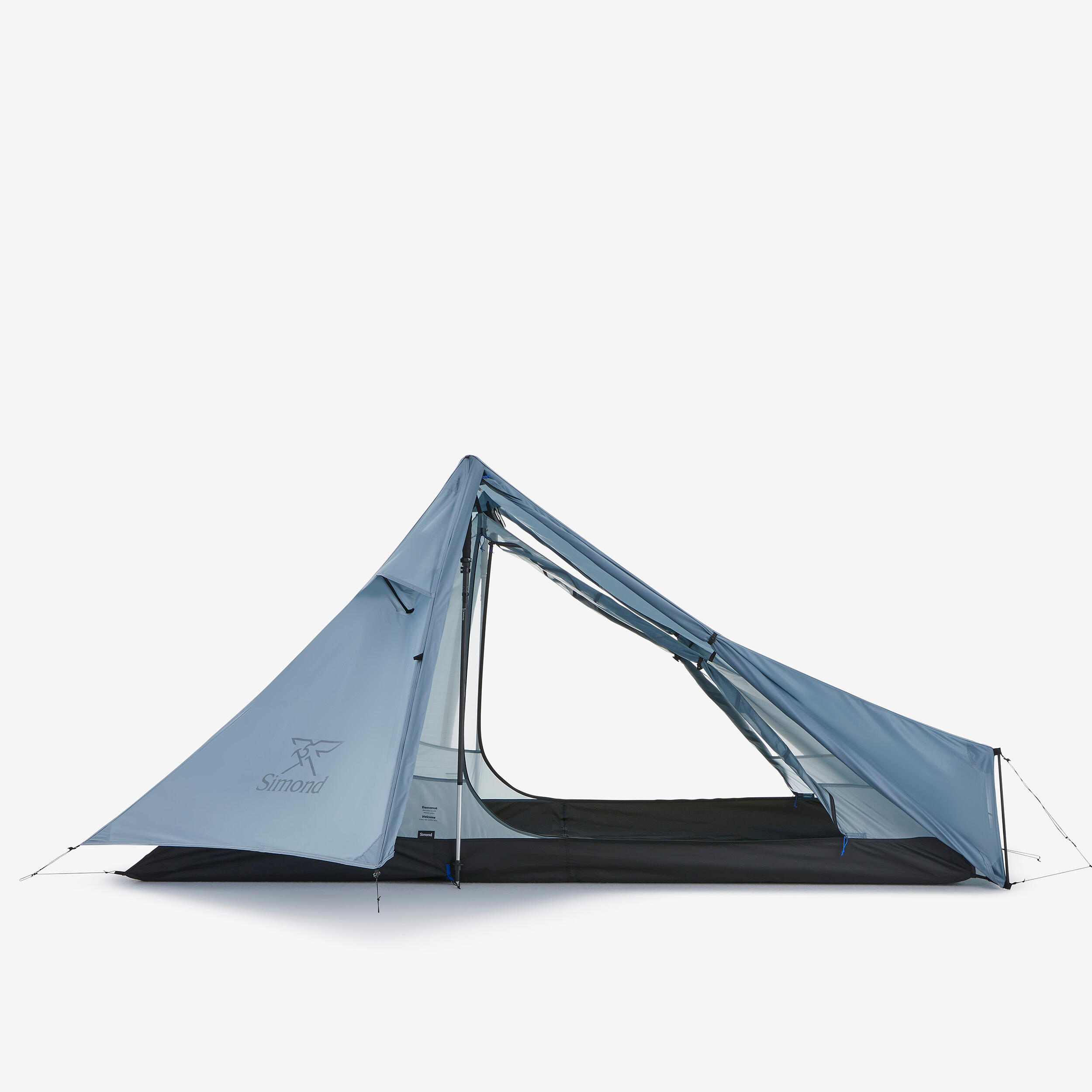
The Sprint Tarp Tent 2P is Simond’s first swing at a Dyneema Composite Fabric shelter, and it’s a notable one: a sub-700g, two-person, trekking-pole-pitched single-wall tarp aimed at thru-hikers and fastpackers who count grams but don’t want to pay Zpacks or Tarptent money to do it. Simond is Decathlon’s mountaineering house brand, and the Sprint collection marks its first real push into thru-hiking territory rather than just alpine climbing gear. This is a newly launched product (it debuted in late 2025 / early 2026), so treat this as an informed first look based on manufacturer data and early hands-on coverage rather than months of accumulated owner feedback — there simply hasn’t been time for a deep bench of independent trail reports yet.
Key Specs
| Spec | Value |
|---|---|
| Total packed weight | 635 g |
| Tent body weight | 510 g |
| Capacity | 2-person |
| Fabric | Dyneema Composite Fabric (DCF) |
| Water column (fly) | 15,000 mm |
| Wind resistance | Tested to 70 km/h in wind tunnel |
| Pitch system | Trekking poles (not included) |
| Wall construction | Single-wall |
| Packed size | ~2 L |
| Max inner height | ~115 cm |

Build your Gear Closet
View all of your gear in one place, create packing lists and hit the trail with confidence. Available on iOS, Android and the web.
Get StartedPerformance
On paper, the Sprint stacks up well against the usual DCF suspects. At 510g for the tent body (635g all-in with stakes/guylines), it lands in the same weight class as shelters like the Zpacks Duplex, and the numbers Simond is publishing are legitimate mountaineering-brand specs rather than marketing fluff: a waterproof groundsheet rated up to 20,000mm and wind resistance tested to 70km/h in a wind tunnel. That’s a genuinely high water column for the floor, and wind-tunnel testing to 70 km/h (roughly a strong gale, Force 8) is the kind of claim you’d expect from a brand with an alpine climbing pedigree rather than a budget outdoor label.
Livability looks reasonable for a stripped-down single-wall design. It’s a single-wall design that relies on trekking poles for structure, keeping weight and packed volume down to a minimum, with dual vestibules, a maximum inner height of 115cm, and a shape that maintains livability while remaining compact. A French retail write-up adds a bit more granularity, noting each vestibule offers roughly 70cm of depth for gear storage on either side — useful if you’re splitting the shelter between two hikers and don’t want boots and packs piled on your sleeping bag.
Pack size is where the DCF advantage really shows: it compresses down to just 2 litres, which is genuinely tiny for a 2-person shelter — smaller than most 1-person nylon tents, let alone something that sleeps two.
Where I have to be more careful is field-tested durability and condensation management, because independent long-term data just isn’t out there yet. One French test site claims a prototype was used in sub-freezing, snowy conditions with frost forming outside but the interior staying dry, crediting the ventilation design — but this is a single, secondhand account of a pre-production unit, not a pattern of confirmed field reports, so I’d file it under “promising but unverified” rather than “proven.” Single-wall DCF shelters in general are prone to interior condensation in humid, still conditions regardless of brand, and there’s no reason to assume the Sprint is magically immune to the physics that affect every other tarp tent in this category. If you’ve used a Duplex or a Tarptent Notch in muggy environments, expect the Sprint to behave similarly until proven otherwise.
Trekking-pole pitch systems also live or die on user technique — tensioning a DCF tarp taut takes a bit more care than a freestanding pole tent, and first-time DCF users often under-tension the pitch on their first few nights out. Budget a practice pitch in the backyard before you rely on this in genuinely bad weather.
Pros & Cons
Pros
- Exceptional weight-to-capacity ratio for a 2-person shelter — 635g all-in is competitive with premium DCF shelters from established ultralight brands
- Very high floor water column rating (up to 20,000mm) for a shelter this light
- Wind-tunnel-tested to 70 km/h, backed by a genuine mountaineering brand rather than a marketing claim alone
- Packs down to roughly 2L — smaller than many single-person tents
- Dual vestibules add real gear storage for two hikers
- Priced meaningfully below the established DCF competition (Zpacks, Tarptent)
Cons
- Single-wall DCF design means condensation management will depend heavily on site selection and ventilation technique — same caveat that applies to every tarp tent in this class
- No freestanding option; you need two trekking poles of the right length and a proper stake-out to get a taut pitch
- Very new to market — limited independent long-term durability data, no seam-taping or field-failure track record yet
- DCF is expensive to repair if punctured; new brand means it’s unclear how readily Simond will stock spare parts or repair tape outside Europe
- No inner mesh option built in, so bug protection in warm, buggy environments is limited compared to double-wall alternatives
Who Should Buy This
This is a shelter for weight-conscious thru-hikers and fastpackers who already know how to pitch a trekking-pole tarp tent and are comfortable trading some livability and bug protection for weight savings. If you’re upgrading from a nylon double-wall tent and have never pitched DCF before, budget some practice time — and if you’re hiking somewhere buggy and humid, you’ll want to think hard about how you’ll manage ventilation, since this is a single-wall design without an included inner mesh solution.
Verdict
The Simond Sprint Tarp Tent 2P looks like a legitimately competitive entry into the DCF tarp tent category on paper — strong specs, sensible design choices (dual vestibules, generous water column), and a lower price than the established players. I can’t yet vouch for its long-term durability or real-world condensation behavior the way I could for a shelter that’s been through a few thousand thru-hiker miles, so I’d call this a promising newcomer worth watching rather than a proven trail companion — 7/10, with room to move up once more owners have put real miles on it.