Fjällräven Rain Cover 40-55 Review
A thoughtfully designed pack rain cover in PU-treated nylon with a guyline hook, taped seams, and PFAS-free construction — functional, but not featherlight.
Overview
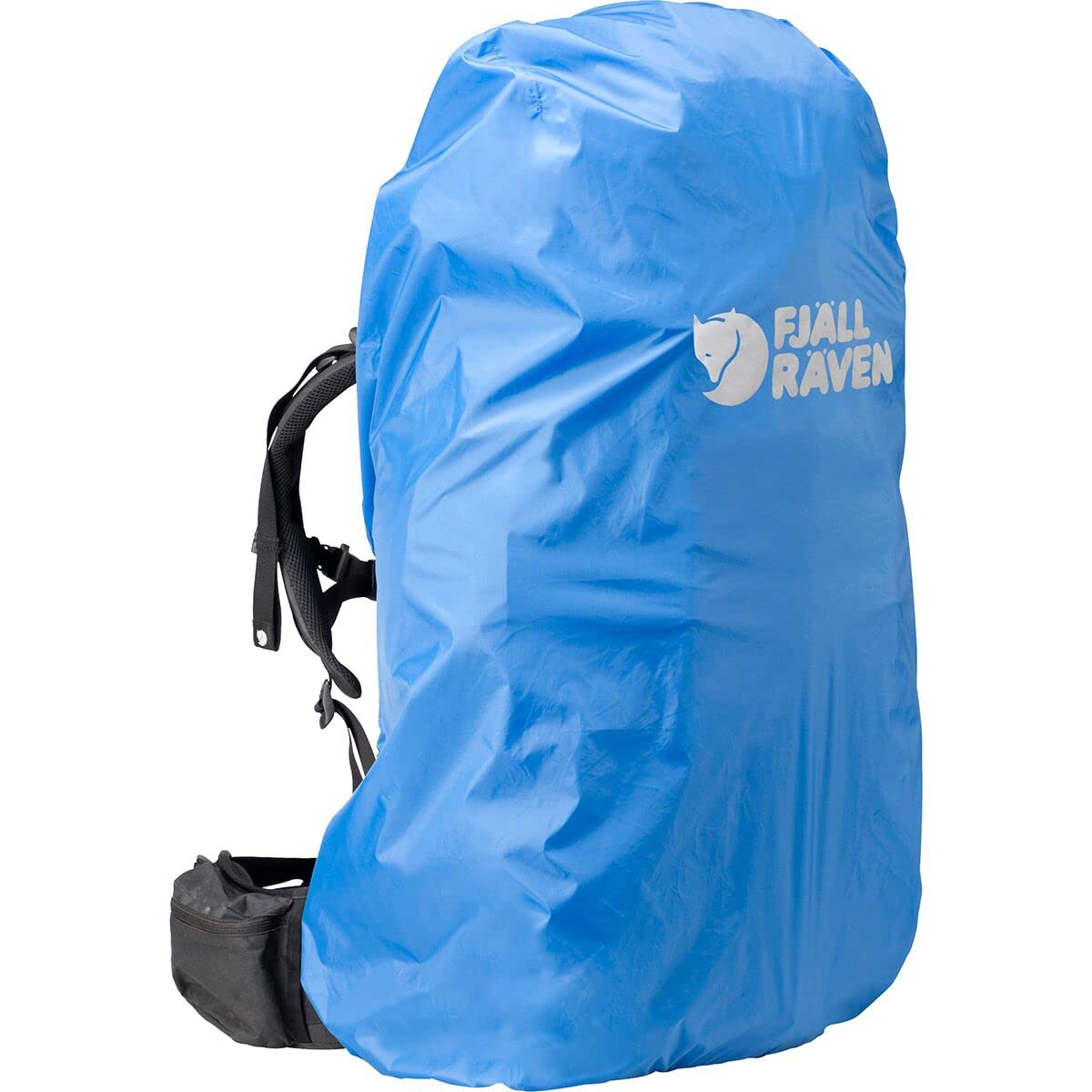
The Fjällräven Rain Cover 40-55 is a conventional external pack cover designed to slip over any 40-55L backpack and shed rain on the trail. It’s built from 70D PU-treated nylon with taped seams, comes exclusively in Fjällräven’s signature UN Blue safety color, and ships without any PFAS/PFC chemical treatments. This is a mainstream hiking accessory — not an ultralight piece — aimed at trekkers and weekend hikers who want reliable protection for their pack exterior without fussing with an internal liner.
Key Specs
| Spec | Detail |
|---|---|
| Weight | 135 g (4.8 oz) |
| Fit Range | 40–55L backpacks |
| Material | 70D PU-treated nylon |
| Seam Treatment | Taped |
| Color | UN Blue (single option) |
| Chemical Treatment | Produced without PFAS/PFCs |
| Closure System | Elastic lower + drawcord |
| Storage | Integrated velcro pack bag |

Would the Rain Cover 40-55 earn its spot in your pack?
135 g · 4.8 ozAdd the Fjällräven Rain Cover 40-55 to your Gear Closet and see exactly what it does to your base weight, then start packing for your next trip.
Free · No credit card · iOS, Android & web · Trusted by 3,000+ backpackers
Performance
Weather Protection
The combination of PU-coated nylon and taped seams gives this cover solid resistance in moderate rain — you’re not going to see water wicking through the fabric or leaking at stress points in a typical shower. That said, it’s worth being honest about what any rain cover can and can’t do: in a sustained downpour, water inevitably finds its way down the back panel, hip belt, and shoulder straps, which remain fully exposed. As one experienced hiker on Backpacking Light noted after a torrential multi-hour storm, a rain cover alone left gear soaked. For critical items — down quilts, electronics — an internal liner or dry bags remain the smart belt-and-suspenders approach regardless of which cover you use.
Fit and Adjustment
The cover uses a dual compression system: elastic at the lower hem cinches it snugly around the base of the pack, while a drawcord at the top handles fine-tuning. Fjällräven describes the cut as “updated and spacious,” which in practice means it accommodates the lumpy, gear-festooned silhouette of a pack carrying trekking pole tips, a rolled foam pad, or a wet shelter lashed to the outside. If you regularly pile on the external cargo, Fjällräven actually recommends sizing up to the 60-75L version — worth keeping in mind before you buy.
The Guyline Hook
This is a genuinely useful detail that most budget covers skip: the drawcord includes a hook that lets you anchor it to a pack attachment point, effectively converting the drawcord into a guyline. In high winds, a loose rain cover flapping or peeling off is a real annoyance. This feature addresses that without adding meaningful weight or complexity.
Storage and Accessibility
The cover packs into an integrated velcro pouch that lives inside your pack. That means it’s accessible whenever you need it without digging through a stuff sack or hunting for it in a hip belt pocket. The velcro closure is quick and one-handed — a small thing, but convenient in the first drops of a fast-moving storm.
Visibility
The UN Blue color is a deliberate safety choice — it’s the same high-visibility blue used by UN operations and emergency services, and it stands out clearly in fog, rain, and low light. The reflective logo adds a bit more conspicuity after dark. If you’re hiking near roads, in mountain terrain with vehicle traffic, or in conditions where search-and-rescue visibility matters, this is a meaningful feature. If you prefer to blend into the landscape, this cover isn’t for you.
Weight
At 135g (4.8 oz), this is a functional but not featherlight piece. A Sea to Summit Ultra-Sil Pack Cover in a comparable size runs around 60-65g; a Gossamer Gear clear pack liner checks in around 34g and arguably does a better job protecting your actual gear (though nothing for the pack shell itself). For a strict gram-counter, the weight penalty here is real. For a casual trekker or someone pairing this with a heavier traditional pack, it’s unlikely to register.
Pros & Cons
Pros
- Taped seams and PU coating provide solid rain resistance in typical hiking conditions
- Guyline hook is a smart detail for windy, stormy weather
- Spacious cut fits packs with external gear attached
- Integrated velcro storage pouch keeps it accessible without unpacking
- Dual compression (elastic + drawcord) works across the full 40-55L size range
- No PFAS/PFC chemical treatments — a genuine environmental improvement
- UN Blue + reflective logo offers real safety visibility in poor conditions
Cons
- 135g is on the heavier side — ultralight silnylon or DCF options exist at roughly half the weight
- Only available in UN Blue; no color choice
- Like all external covers, it leaves the back panel, shoulder straps, and hip belt exposed to water
- Offers zero protection from below — setting a wet pack on wet ground bypasses the cover entirely
- In very heavy sustained rain, water can work under the lower hem
Who Should Buy This
This cover makes the most sense for hikers carrying traditional or midweight packs — a Fjällräven Abisko, a Gregory, an Osprey — who encounter intermittent alpine or European weather and want a reliable, ready-to-deploy option without overthinking it. It’s also a good call for anyone prioritizing safety visibility or hiking in conditions where being seen matters. If you’re building a true ultralight kit or hiking in genuinely sustained downpours, pair it with internal dry bags or replace it outright with a dedicated pack liner.
Verdict
The Fjällräven Rain Cover 40-55 is a well-executed version of a well-understood product. The guyline hook, roomy cut, and PFAS-free construction show that real thought went into it. But 135g is a tangible weight cost for something that only protects the pack’s exterior, and the ultralight community has largely moved on from external covers for good reason. At a 7/10, this is a dependable choice for most hikers — just go in with clear eyes about what a rain cover can and can’t do.