Altra Lone Peak 4 RSM Review
Altra's Lone Peak 4 RSM swaps the mesh upper for waterproof eVent fabric. It's a roomy zero-drop trail shoe for wet trails, with durability trade-offs.
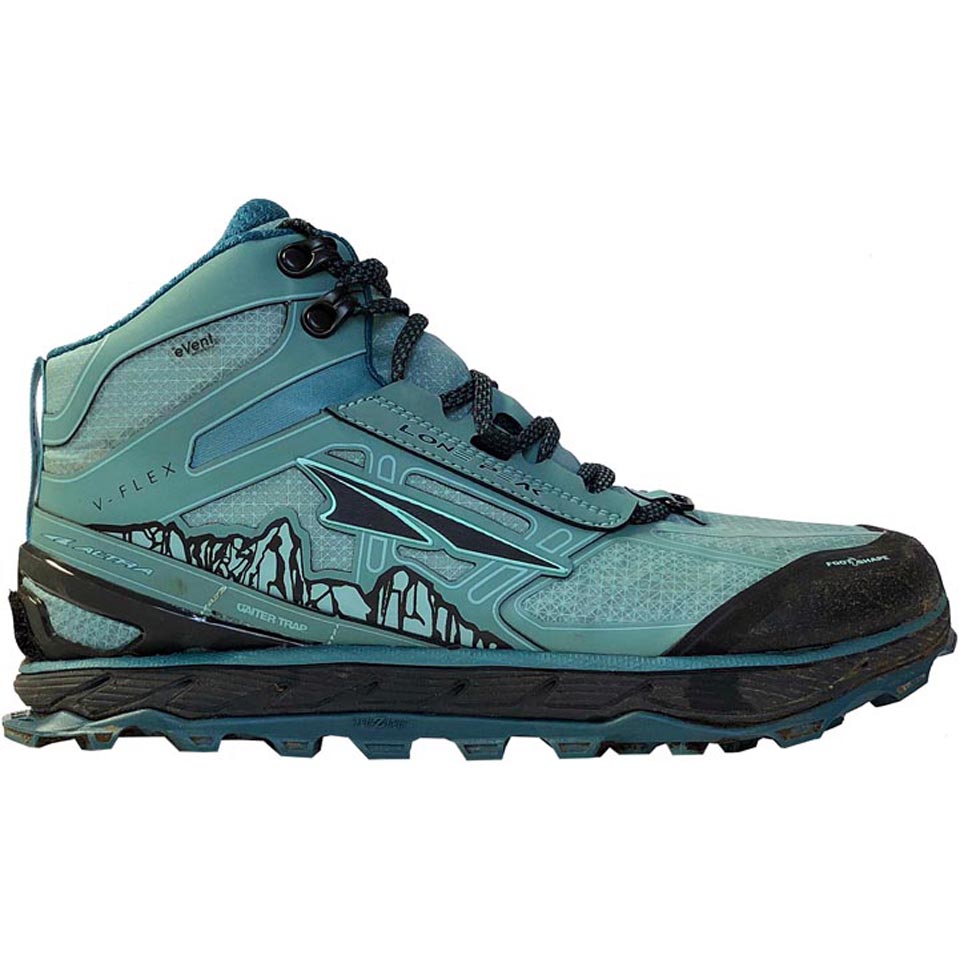
Overview
The Lone Peak 4 RSM takes the shoe that dominates the Appalachian Trail and swaps its mesh upper for eVent, a waterproof-breathable fabric, with RSM standing for Rain, Snow, and Mud. It keeps the foot-shaped toe box, zero drop and moderate cushioning that made the standard Lone Peak a thru-hiker staple. The trade is the usual one for waterproof trail runners: drier feet in a downpour, slower drying once water gets in over the collar, and a upper that owners say wears out sooner than mesh.
Key Specs
| Spec | Detail |
|---|---|
| Weight | 538 g |
| Type | Low-cut waterproof trail running shoe |
| Upper | eVent waterproof-breathable fabric, reinforced toe cap |
| Midsole | Dual-layer EVA (A-Bound) with StoneGuard rock plate |
| Outsole | DuraTread rubber with multi-directional TrailClaw lugs |
| Drop | 0 mm |
| Stack height | 25 mm |
| Cushioning | Moderate |
| Footbed | 5 mm contour insole |
| Gaiter compatibility | 4-Point GaiterTrap attachment |
| Fit | FootShape (wide toe box) |
| MSRP at launch | $150 (Low), $160 (Mid) |

Would the Lone Peak 4 RSM earn its spot in your pack?
538 g · 19.0 ozAdd the Altra Lone Peak 4 RSM to your Gear Closet and see exactly what it does to your base weight, then start packing for your next trip.
Free · No credit card · iOS, Android & web · Trusted by 3,000+ backpackers
Performance
Waterproofing. Altra dropped the NeoShell upper used on the Lone Peak 3 RSM in favor of eVent, and testers at Switchback Travel found it a capable performer that matched the protection of Gore-Tex-lined footwear they had been using. Unlike a conventional shoe with a sewn-in bootie, the waterproofing is the upper fabric itself, which saves weight. Outdoor Gear Lab’s testers stood in a cold mountain stream for five minutes and stayed dry until the water topped the roughly 4-inch collar height. That is the catch for the Low: a reviewer at OutdoorX4 never had a moisture breach splashing through creeks and puddles or walking in rain, but found that anything deeper than about 3 inches floods the shoe. The shoe handles puddles and wet grass, not wading.
Breathability and temperature. For a waterproof upper, the shoe breathes well. Switchback Travel called it a standout in the category while acknowledging it can’t match the non-waterproof mesh model. Warm weather still exposes the limits: one long-term reviewer at Two Roaming Souls found the shoes uncomfortable above 70°F and wouldn’t trust them to keep feet warm below 35°F, though they worked well on packed snow. Sweat has nowhere to go once it builds up, and a veteran hiker reviewing the shoe on a Backpacking Basecamp forum thread said the only real discomfort over 200-plus miles came from feet that stayed wet, whether from sweat or from rain and crossings. The Trek’s reviewer noted that once the shoes saturate, they dry more slowly than a mesh shoe would.
Traction. The updated DuraTread outsole with TrailClaw lugs earns steady praise on soft ground. Running Northwest called the grip solid and the tracking excellent, and The Trek’s reviewer felt confident on wet rock and slick snow. Owners describe good bite on muddy slopes and boulder hopping. Outdoor Gear Lab did flag some traction limits in actual snow and mud, and Switchback Travel found the shoe sloppy and unsupportive on rough, rocky trail. Both points matter for a shoe named for snow and mud.
Comfort and fit. Out-of-box comfort is the Lone Peak’s calling card. The FootShape toe box leaves room for swelling feet, and owners with wide or problem feet single it out. Reviewers note a snug heel hold. The 25 mm stack with the StoneGuard plate offers moderate protection; the trade is ground feel that can mean sore feet after long days on rough ground. The waterproof upper is stiffer than the mesh version, though The Trek’s reviewer reported no pinching. A few Zappos buyers report squeaking from the liner, and one reported a popping noise at the toe.
Durability. This is the weak point. The outsole holds up: the Backpacking Basecamp poster saw little sole wear after 200-plus miles, and The Trek’s reviewer reported the lugs kept their depth through a full fall and winter. The upper is another story. A tester at Ultralight Insights found small abrasion holes on the sides of the toe box and a tear while testing the Mid version off-trail, ending up with damp socks. Two Roaming Souls reported the waterproof coating wearing away at the flex points after a few years of use. Some owners report the shoes leaking after about six months, and others say flex points fail within a season. The same Backpacking Basecamp poster also called out a peeling toe rand. On a thru-hike, expect the waterproofing to fade well before the sole does.
Pros & Cons
Pros
- Roomy FootShape toe box and zero drop make for easy comfort straight out of the box
- eVent upper keeps out rain, wet grass, and shallow puddles
- Breathes better than most waterproof shoes
- TrailClaw lugs grip well on wet rock and soft, muddy ground
- Reinforced toe cap and StoneGuard rock plate add protection
- Compatible with 4-Point GaiterTrap gaiters
Cons
- Low collar floods in anything deeper than ankle-height water
- Slow to dry once soaked, and warm in summer heat
- Upper fabric and waterproofing are reported to wear at flex points and toe box within months
- Less supportive on rough, rocky terrain
- Costs about $10–$20 more than mesh-upper Lone Peaks at launch
Who Should Buy This
This is for hikers and trail runners in wet, cool, muddy climates, such as the Pacific Northwest, the Appalachians in spring, or shoulder-season routes, who want a wide-toed shoe and can tolerate a shorter-lived upper. It suits trips where the trail is wet but crossings are shallow, ideally with gaiters attached to the 4-Point GaiterTrap. Thru-hikers in hot or desert sections should stay with the mesh Lone Peak, which drains and dries far faster. Anyone expecting deep fords or 800-mile durability should look elsewhere, and hikers who want more ankle coverage should consider the Mid RSM.
Verdict
The Lone Peak 4 RSM gives the Lone Peak’s comfortable fit and good grip a weatherproof upper, and it keeps feet drier than mesh in steady rain. Reports of worn waterproofing, abraded fabric, and wet-foot dampness in warm weather keep it from being a long-haul shoe. Buy it for a wet season or a rainy trip, not as the only pair for a whole thru-hike.