Ursack Major Review
The Ursack Major is an IGBC-certified, 10.65L bear-resistant food bag that weighs just 204g — a compelling canister alternative for most bear country.
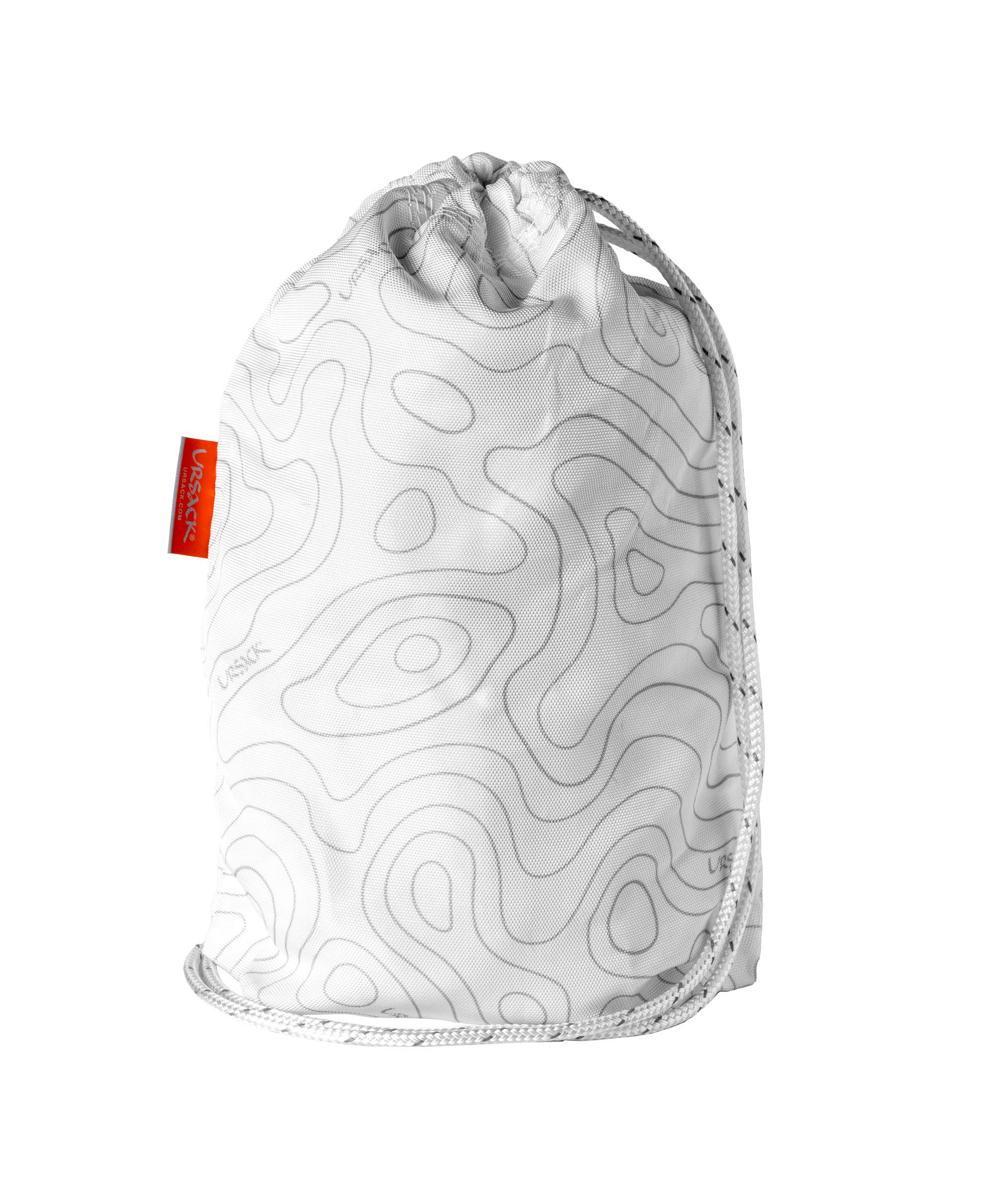
Overview
The Ursack Major is a bear-resistant backpacking food storage bag that’s both light and more packable than typical hard-sided bear canisters.
The latest version features a tighter, more tear-resistant weave than previous models and is IGBC certified.
It sits squarely in the middle of the food-storage spectrum — not as ultralight as a simple hang kit, but far lighter and more packable than any hard-sided can — making it a strong choice for thru-hikers and weekend backpackers alike who travel where canisters aren’t explicitly required.
Key Specs
| Spec | Value |
|---|---|
| Weight | 204g (7.2 oz) |
| Volume | 10.65 L (650 cu in) |
| Material | UHMWP fabric |
| Cord | 6 ft high-tensile strength with reflective tracer |
| Capacity | ~5 days of food for 1 person |
| Freeze-dried capacity | 37 single servings |
| Certification | IGBC (Interagency Grizzly Bear Committee) |
| Reflective tag | Yes |
| Price | ~$90 |

Would the Ursack Major earn its spot in your pack?
204 g · 7.2 ozAdd the Ursack Major to your Gear Closet and see exactly what it does to your base weight, then start packing for your next trip.
Free · No credit card · iOS, Android & web · Trusted by 3,000+ backpackers
Performance
Weight and Packability
This is where the Ursack Major earns its reputation. At 10.65 liters, the Bearikade Weekender has an identical capacity to the Ursack Major but weighs 1 pound 15 ounces. The BearVault BV500 (11.5 liters) weighs 2 pounds 8 ounces, while the BV475 (9.3 liters) weighs 2 pounds 4 ounces. The Major checks in at just 204g — that’s well over a pound lighter than the lightest comparable hard-sided options. And unlike a canister, it’s a soft, collapsible bag, so the Ursack is much easier to pack than a bear canister and only takes up as much space as your current food supply. That shrinking-bag-as-you-eat effect is something canister users genuinely miss.
Bear Resistance
The Ursack Major has the distinction of being certified by the Interagency Grizzly Bear Committee (IGBC), meaning it’s produced to meet or exceed the food storage requirements in areas that contain grizzly bears.
The IGBC testing is no joke —
the first two grizzlies went at it for an active 57 minutes, and one of the bears was nicknamed “The Destroyer,” but neither he nor his sister were able to compromise the Ursack.
In the real world, the picture is a bit more nuanced. Its strong fabric and high-tensile strength cord prevent most bears from escaping with your food, though it doesn’t always keep contents intact — persistent bears can crush or mash what’s inside, or even tear it open on occasion. If a motivated bear gets hold of it and can’t breach the fabric, it can still press food into mush through the bag wall. An optional aluminum liner addresses this, though it cuts into packability. For most black bear encounters, though, the bag holds up well; on one occasion, it successfully kept food safe during a black bear investigation at the hang site.
Ease of Use
Setup is genuinely simple. First, ensure the two cord strands are crossing, then pull the drawstring shut and secure it with a double overhand knot. That’s it. No complicated locking mechanisms, no hunting for a perfect 12-foot hang branch. Technically, you don’t even need to hang an Ursack Major — simply close and tie it properly at ground level and sleep peacefully. This is key when camping in places without a tree in sight, or when you’re thoroughly exhausted after a long day.
A small but helpful bonus: the reflective cord and tag make it easy to find your bag with a headlamp after dark, so you don’t waste time wandering around the woods looking for your food.
Rodents: The Achilles’ Heel
This is the Major’s most significant limitation and where user experiences diverge sharply. The Major offers resistance to bear claws tearing at the fabric, but does little to fend off the teeth of rodents. A large majority of Ursack users say rodents have never gotten into their Ursack Major — but it can happen: one thru-hiker reported their Ursack Major was destroyed by a squirrel on the AT. The cord entry holes on the bag are the most vulnerable spot. If you’re camping in high-rodent areas, hang the bag a couple of feet off the ground to reduce access.
Water Absorption
Here’s a practical downside that doesn’t show up in the specs: the Ursack absorbs around 6 oz of water when wet, which happens on almost every trip, so factor that into its weight. Some users carry a small garbage bag to encase it so it doesn’t dampen the inside of the pack. An Opsak liner inside helps protect the food from moisture, but the outer bag itself will stay wet.
The Opsak Pairing
Ursack strongly recommends using an OPSak odor barrier liner inside the bag. The Opsak waterproofs your food when the Ursack is tied off during the night hours out in the elements, and helps to reduce food odors that could attract wildlife. Opsaks are fairly durable, but expect one or two longer trips before the bag develops holes or the seal starts to break down — budget for a few replacements per season.
Regulatory Reality
Even with the IGBC’s stamp of approval, the Ursack isn’t accepted everywhere. Some national parks and wilderness areas still require a traditional hard-sided bear canister, so it’s crucial to double-check local regulations before relying solely on the Ursack.
Specifically, don’t count on using the Ursack Major if you plan to backpack in Alaska, Washington, parts of Colorado and California, or along the Pacific Crest Trail.
Ursack prints a QR code inside each bag that links to an updated map showing where its use is approved, restricted, or prohibited
— use it before every trip to a new area.
Pros & Cons
Pros
- Dramatically lighter than any hard-sided canister at the same capacity (~200g vs. 900g+)
- Collapsible — shrinks as you eat through your food supply
- IGBC-certified, passing rigorous grizzly testing
- Dead simple closure: a double overhand knot
- No need for a precise 12-foot bear hang; tie low to a tree and go to sleep
- Reflective cord and exterior tag for easy nighttime retrieval
- Durable enough for full thru-hikes (reported 250+ field days without failure by multiple users)
Cons
- Not rodent-proof; mice and squirrels can chew through, especially near cord holes
- UHMWP fabric absorbs water — can gain ~170g (6 oz) when wet
- Food can be crushed or mashed inside even if a bear can’t breach the fabric
- Not universally approved; banned or restricted in several high-use parks and trail corridors
- An Opsak liner (sold separately, ~$6-12) is effectively required to manage odor and moisture — budget accordingly
- Some reports of field failures, particularly when improperly tied or used without a tree anchor
Who Should Buy This
The Ursack Major is the right call for solo backpackers and thru-hikers who spend most of their time in areas where IGBC certification satisfies local regulations — think much of the Appalachian Trail, Colorado Trail outside restricted zones, and general National Forest land. One thru-hiker used it for the entirety of an AT thru-hike and 180 miles of the Colorado Trail, noting that while lighter food-hang systems exist and canisters offer more protection, the Ursack Major is a good compromise between weight and durability. If you’re hiking somewhere with heavy rodent pressure or where hard-sided containers are mandatory, step up to the AllMitey or carry a canister.
Verdict
The Ursack Major is not a perfect piece of gear — the rodent vulnerability is real, the fabric soaks up rain, and the regulatory patchwork means you can’t just pack it and forget about compliance checks. But for the majority of bear-country trips in the lower 48, it nails the weight-versus-protection tradeoff better than anything else at its price point. The Ursack + Opsak combo is lighter and easier to pack than any bear canister on the market, and after a few trips with one, going back to a hard-sided can feels genuinely punishing. Buy it, pair it with an Opsak, and confirm local regulations before every new trail — that’s really the whole playbook. 7.5/10.