Nitecore NU25 Review
The Nitecore NU25 packs 400 lumens, USB-C charging and IP66 protection into 45–50 g, with a short high-output runtime and fiddly controls.

Overview
The Nitecore NU25 is the headlamp that thru-hikers have been buying for years, and the current generation is its lightest and longest-lasting yet. It puts 400 lumens, a USB-C port and IP66 protection into a package of 45 to 50 g, depending on version. The trade-off is endurance and ergonomics: the 700 mAh cell is small, and the two-button interface rewards people who read the manual.
Key Specs
| Spec | Value |
|---|---|
| Weight | 45–50 g depending on version |
| Dimensions | 60.0 × 34.4 × 27.2 mm |
| Max output | 400 lumens |
| Output levels | Ultralow 6 lm / Low 60 lm / Mid 200 lm / High 400 lm |
| Max beam distance | 132 m |
| Max beam intensity | 4,351 cd |
| Max runtime | 45 hours (ultralow) |
| Runtime at high | About 2 hr 40 min |
| Battery | Built-in 700 mAh Li-ion, USB-C, about 75 min full charge |
| Beam colors | Warm (3000K), neutral white (4500K), cool white (6500K) on MCT versions |
| Auxiliary light | Red, two levels |
| Special modes | Location Beacon, SOS, Slow Flashing |
| Water and dust resistance | IP66 |
| Impact resistance | 1 m |
| Price | About $36.95 MSRP |
Versions compared
| Image | Version | Weight | vs. lightest |
|---|---|---|---|
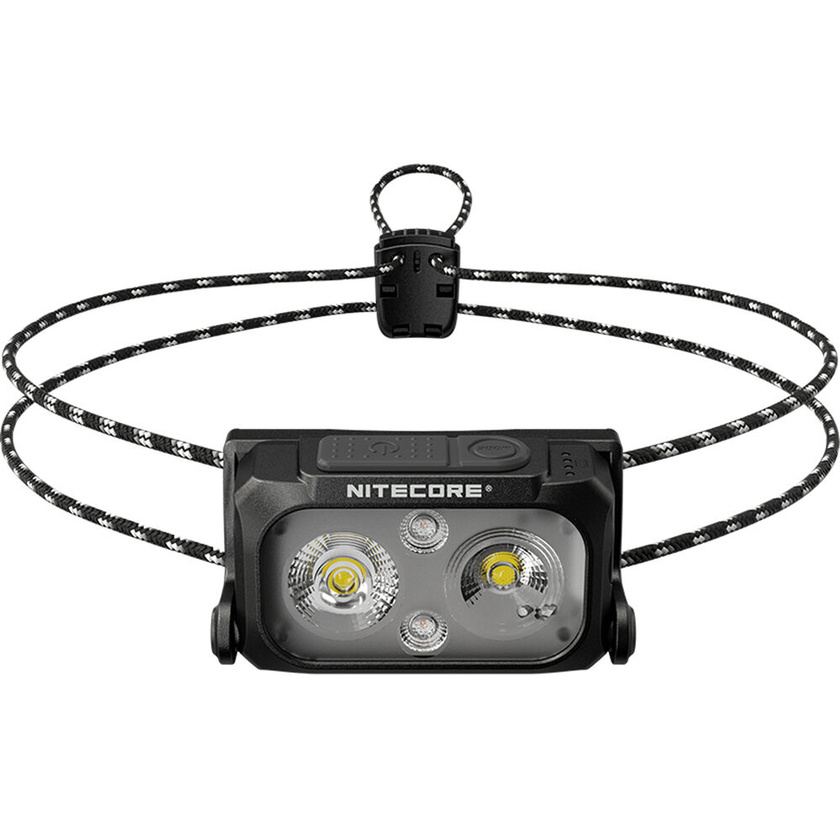 | UL | 45 g (1.6 oz) | lightest |
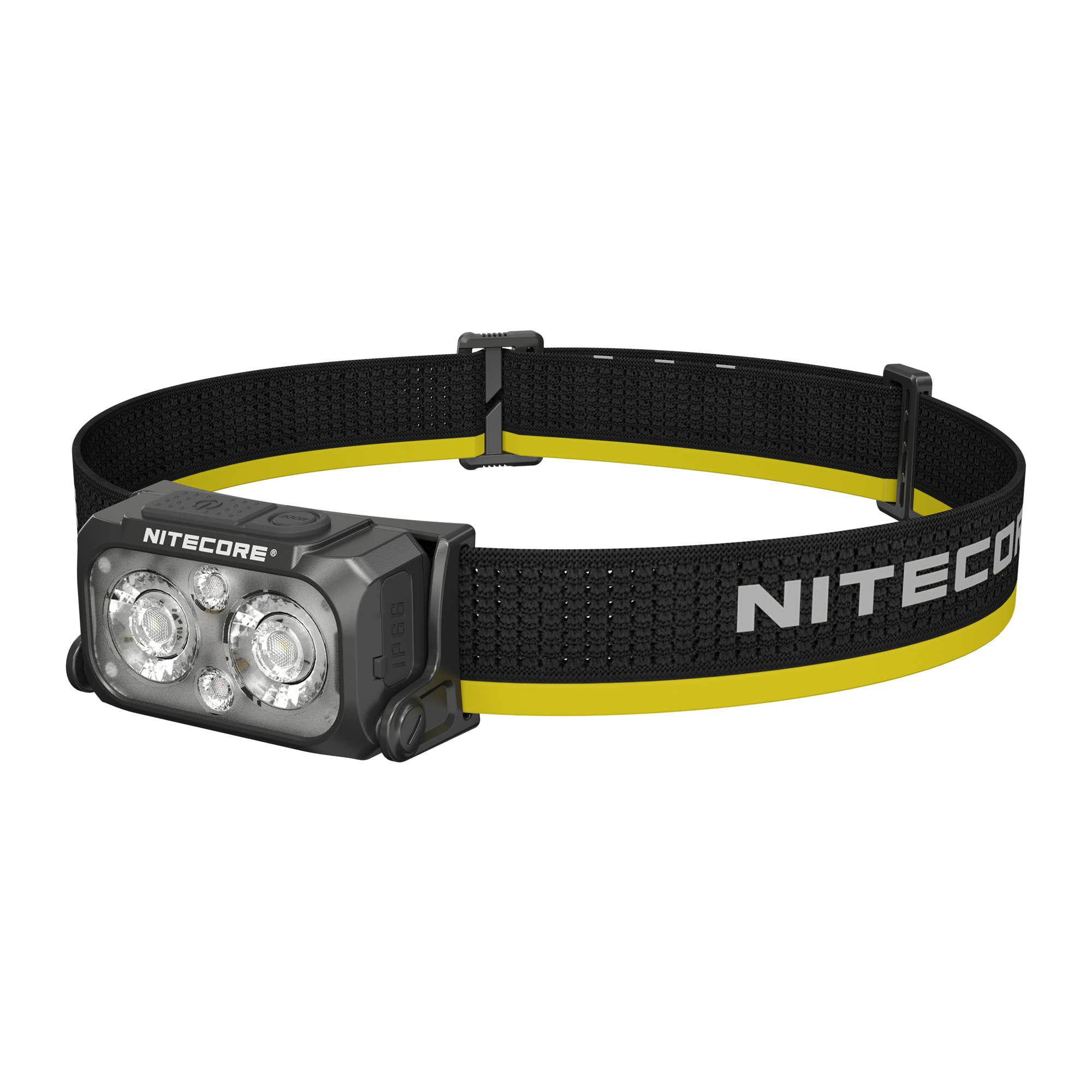 | MCT UL | 47 g (1.7 oz) | +2 g |
| MCT | 50 g (1.8 oz) | +5 g |

Build your Gear Closet
View all of your gear in one place, create packing lists and hit the trail with confidence. Available on iOS, Android and the web.
Get StartedPerformance
Beam and color. The third-generation MCT models use two dual-core MCT UHE LEDs, and both are always on together. The result is a hybrid flood-and-throw beam that leans toward throw, reaching 132 m at 400 lumens. Owners who loved the old lamp’s separate wide flood mode for camp chores report that the new beam is more directional, and that loss is the most common complaint among longtime NU25 users.
What the MCT lamps give back is color choice. The 3000K warm setting cuts glare and backscatter in fog, rain and snow. Neutral 4500K is the all-purpose setting. The 6500K cool white is the brightest-looking and the one hikers reach for when pushing miles after dark. Reviewers at The Trek and Hiking Insights both single out the color options as a useful feature in this weight class rather than a spec-sheet gimmick. The LEDs are not high-CRI, so color rendering for tasks like identifying plants is mediocre.
Battery. The 45-hour figure belongs to the 6-lumen ultralow level, which is enough for a midnight trip to the privy and not much more. At the 400-lumen top setting the lamp lasts roughly 2 hours 40 minutes, with 5 hours at 200 lumens and 13 hours at 60. Live for the Outdoors rated the lamp poorly for extended, intensive use, and testers at Treeline Review found its modes comparable to heavier lamps such as the BioLite 425. The cell is not replaceable, so a dead battery in the field means a dead lamp. A small power bank solves it; the USB-C port makes that easy.
Controls. Two buttons of different sizes let users tell them apart by feel, and a lockout (hold both buttons) stops a pack from burning through the battery on its own. Still, the interface takes practice. Backpacking Light forum members rated the UI well below comfort and output, and reviewers note the small buttons are hard to work with gloves on.
Build and fit. The IP66 rating covers dust and heavy rain, and the lamp survives a 1 m drop. The body tilts in steps and holds its angle when a hiker’s head is moving, and it pops out of the headband to serve as a handheld light. Nitecore supplies a diffuser pouch that turns the lamp into a tent lantern. There is a red light, which Treeline’s testers found brighter than on older NU25 and NU20 models, for reading while a tentmate sleeps.
The cord strap on the UL versions is the main comfort issue. Testers describe the narrow band as minimalist but adequate, and Live for the Outdoors scored the MCT UL’s comfort 3 out of 5, noting that wider straps feel better. The Trek’s reviewer found the cord strap easy to adjust and said it rarely slipped, though the cords can twist.
Choosing a Version
The three versions share the same basic lamp, so the choice comes down to headband and generation.
- MCT (50 g): Adds the multi-color-temperature LEDs and keeps the wider, perforated headband with a silicone grip strip to keep sweat out of the eyes. This is the best pick for night hikers, runners, and anyone who wears a headlamp for hours at a time. It costs 3 g over the MCT UL.
- MCT UL (47 g): The same MCT lamp and battery on a slim cord strap with a hollow bracket. It suits gram-counters who mostly use the lamp in camp and for pre-dawn starts. Reviewers describe it as the lightest rechargeable headlamp they have tested with this feature set.
- UL (45 g): The lightest of the three, on the same cord-strap design. It comes from the earlier NU25 generation, and the color-temperature choice is specific to the two MCT versions. Its 2 g saving over the MCT UL is small, and the MCT UL’s warm light and newer battery are worth more than that 2 g to most hikers. Older NU25 UL units also used micro-USB charging, so check the port before buying.
Pros & Cons
Pros
- 45–50 g with 400 lumens and a 132 m beam
- Three color temperatures on the MCT versions, with a warm mode that works in fog and rain
- USB-C charging in about 75 minutes
- IP66 and a 1 m drop rating
- Detachable light body and a diffuser pouch that works as a tent lantern
- Red light and a lockout mode
- About $37
Cons
- High output lasts only about 2 hours 40 minutes
- Non-replaceable 700 mAh battery
- MCT beam is more directional than the older spot/flood lamp
- Small buttons and a complex interface, awkward with gloves
- Cord strap is less comfortable than a wide band over long hours
- Low CRI across all color temperatures
Who Should Buy This
Thru-hikers and ultralight backpackers who use a headlamp mostly for camp chores, early starts and the occasional evening push will get exactly what they need at a weight that disappears on the head. It also makes a good backup lamp for longer trips. Hikers who regularly night-hike for three hours or more should carry a power bank or choose a lamp with a bigger cell. People who want a wide flood beam for close work, or who wear thick gloves often, should look elsewhere.
Verdict
The NU25 remains the default ultralight headlamp: light, bright enough, weatherproof and cheap. Most buyers should take the MCT UL for its weight and color options, or the MCT if the cord strap bothers them. The UL makes sense only for hikers who want the very lowest weight and don’t care about the color-temperature options.