Apple Watch Series 9 Review
The Apple Watch Series 9 is a bright, accurate and light GPS smartwatch, but daily charging makes it a poor fit for multi-day backcountry trips.
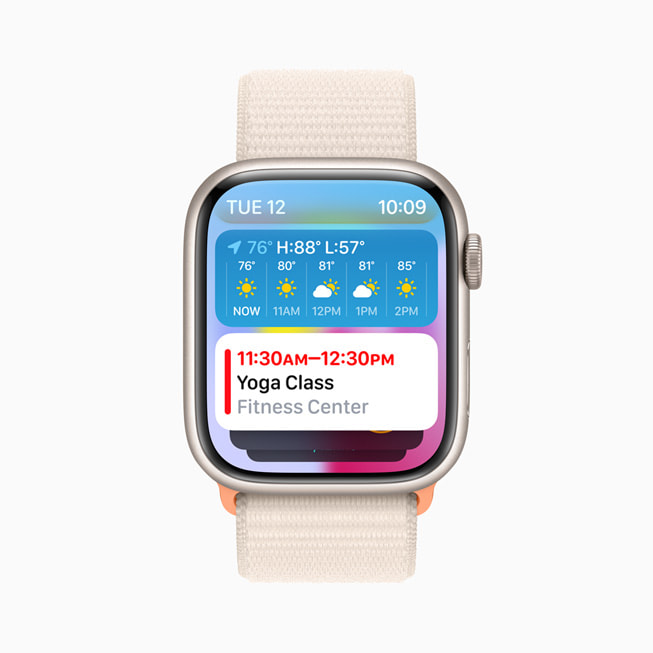
Overview
The Apple Watch Series 9 is a GPS smartwatch that packs a 2,000-nit always-on display, standalone GPS and a full health-sensor suite into a case that weighs as little as 31.9 g. It suits iPhone owners who hike on weekends and want one watch for the trail, the gym and the office. Its trade-off is power: Apple rates it at 18 hours, and that makes it an awkward companion on a trek with no outlets.
Key Specs
| Spec | Detail |
|---|---|
| Weight | 31.9–51.5 g depending on size and case material |
| Case sizes | 41 mm and 45 mm |
| Case materials | Aluminum or stainless steel |
| Display | Always-On Retina LTPO OLED, up to 2,000 nits |
| Chipset | Apple S9 |
| Storage | 64 GB |
| GPS | Built-in, no phone required |
| Water resistance | 50 m (ISO 22810:2010) |
| Rated battery life | 18 hours (Apple); 36 hours in Low Power Mode |
| Connectivity | Bluetooth 5.3, Wi-Fi; GPS or GPS + Cellular models |

Would the Apple Watch Series 9 earn its spot in your pack?
32 g · 1.1 ozAdd the Apple Watch Series 9 to your Gear Closet and see exactly what it does to your base weight, then start packing for your next trip.
Free · No credit card · iOS, Android & web · Trusted by 3,000+ backpackers
Performance
Weight and comfort. The aluminum 41 mm case comes in at 31.9 g before a strap, light enough to wear in a sleeping bag without noticing it. The 45 mm aluminum model adds under 7 g. The steel cases are a different story, and the weight difference is covered below.
GPS and sensors. Testers consistently rate the tracking as strong. Tech Gear Lab validated heart-rate data at better than 99 percent accuracy and measured GPS distance accuracy at close to 100 percent. Android Authority found that the Series 9 kept pace with Garmin’s Venu 3 on neighborhood runs. On one run it deviated only slightly from a Fenix 7 Pro on a couple of streets. Consumer Reports also rated its heart-rate, pulse-oximeter and BPM measurements as excellent. The watch uses its own GPS alone and no longer borrows the phone’s signal during workouts, so it records a trail with the phone left in the pack or at home.
Navigation. watchOS 10 added features that matter on trail. These include topographic map views, offline maps, nearby trails and trailheads, and relative elevation on waypoints. In the Hiking workout, the watch also drops waypoints at the last known cellular location, for the owner’s carrier and for others. That is useful for finding the way back toward coverage, though it is a convenience feature and no replacement for a dedicated navigation device or a paper map.
Display. The 2,000-nit peak brightness is double the Series 8’s, and reviewers call it readable in direct sun. The display also dims to 1 nit for use in a dark tent. The double-tap gesture, which triggers the watch’s main action with a pinch of thumb and index finger, is a small but real help when a hand is wet, gloved or holding a trekking pole.
Battery. This is the weak point. Reviewers who measured the 18-hour rating found the watch outlasts it, but only modestly. DC Rainmaker got about 24 hours per charge, including 45 to 90 minutes of GPS recording a day. Android Authority saw close to 26 hours. Consumer Reports logged 68 hours under typical daily use, and a full charge took 99 minutes. Tech Gear Lab saw a full charge in 61 minutes, the fastest of any watch in its group. Low Power Mode stretches the rating to 36 hours by turning off the always-on display and trimming background sensing. Even so, a hiker recording GPS each day and sleeping with the watch on will need a charging window. Garmin’s multi-day watches avoid that routine, and the Apple Watch Ultra 2 is rated at 36 hours in normal use.
Durability. A 50 m water rating covers rain, river crossings and swimming. The Series 9 is not built to MIL-STD standards, and Tales of Adventure described it as capable of handling occasional knocks and scrapes without being the most rugged outdoor watch available. The Ultra line, with its titanium case, 3,000-nit display and built-in siren, is the tougher option for rough use.
Ecosystem. It works best with an iPhone. It syncs with Apple Health and with apps such as AllTrails.
Choosing a Version
Two choices decide the weight and the price: case size and case material.
- 41 mm aluminum (31.9 g): The lightest option, and the one for smaller wrists and for anyone counting grams. It measures 41 x 35 x 10.7 mm.
- 45 mm aluminum (38.7 g): The larger screen is easier to read on the move, and the extra weight is under 7 g. It measures 45 x 38 x 10.7 mm. Hikers who wear gloves or read the watch at arm’s length will like it.
- 41 mm stainless steel (42.3 g): Steel adds more than 10 g over the aluminum 41 mm case in exchange for a more scratch-resistant finish and a dressier look. It is hard to justify in a pack where weight matters.
- 45 mm stainless steel (51.5 g): This is the heaviest option, at roughly 60 percent more than the lightest. It suits owners who want one watch for the office and the trailhead and don’t care about weight.
Both sizes come as GPS or GPS + Cellular models. Cellular adds independent connectivity for emergency calls where a network exists. The GPS-only watch is the lighter-minded choice for most hikers. Buy aluminum in either size unless the finish matters more than the weight.
Pros & Cons
Pros
- 31.9 g in the lightest configuration
- Standalone GPS that testers found accurate against Garmin hardware
- 2,000-nit display readable in full sun
- Offline topographic maps, trail and trailhead lookup, and waypoints in watchOS 10
- Double-tap gesture for gloved or wet hands
- Fast charging, with a full charge in about an hour in Tech Gear Lab’s tests
Cons
- Rated at 18 hours, with measured results of about 24 to 26 hours in mixed use
- Daily charging interrupts sleep tracking on multi-day trips
- Works properly only with an iPhone
- Less rugged than the Ultra line, with no siren and no titanium case
- Steel versions add 10–13 g for cosmetic benefit
Who Should Buy This
The Series 9 fits iPhone owners who do day hikes, weekend trips and trail running and want accurate GPS, heart-rate data and offline maps without carrying a dedicated device. It also suits anyone who wants a daily watch that happens to work outdoors. Section hikers who can top up from a power bank each evening can make it work too, as long as they accept a cable and a charging puck in the kit.
Thru-hikers and anyone on remote multi-day routes without reliable power should look elsewhere, at the Apple Watch Ultra 2 or a multi-day Garmin. Android users should skip it entirely.
Verdict
The Series 9 is a light, accurate and bright GPS watch with good trail features, and the aluminum models weigh little enough to forget on the wrist. Its battery limits it to day hikes and short trips with a charger within reach. Buy the aluminum 41 mm or 45 mm for weekend use, and choose a longer-lasting watch for anything longer.