Snow Peak Trek 700 Titanium Review
A titanium do-everything pot for solo backpackers—light, nearly indestructible, but with the hot-spot trade-offs typical of titanium cookware.
Overview
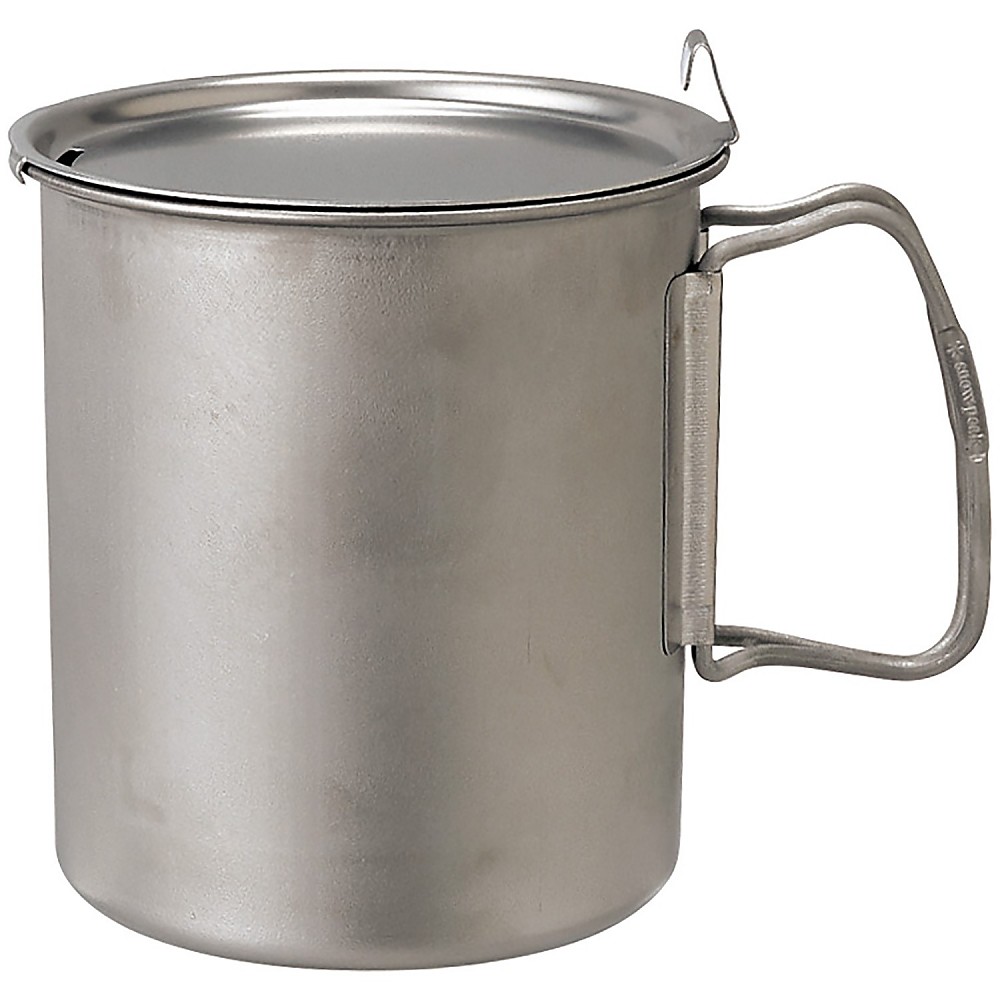
The Trek 700 is Snow Peak’s do-everything titanium pot for solo backpackers—a 700 mL cup with a folding wire handle and a stainless lid that’s been a fixture on thru-hiker gear lists for well over a decade. It’s built for boiling water and rehydrating meals, not simmering a stir-fry, and it’s sized specifically to swallow a 100-110g fuel canister and a small stove head for pack-efficient nesting.
Key Specs
| Spec | Value |
|---|---|
| Weight | 136.0 g (4.8 oz) |
| Capacity | 700 mL / 23.6 fl oz |
| Dimensions | 4.2” diameter x 4.4” height |
| Material | Titanium (lid is stainless steel) |
| Includes | Pot, lid, mesh stuff sack |
| Nesting | Fits 100-110g canister + small stove inside |

Build your Gear Closet
View all of your gear in one place, create packing lists and hit the trail with confidence. Available on iOS, Android and the web.
Get StartedPerformance
The headline feature is how efficiently this thing packs down. The Trek 700 is large enough to stow a 110G fuel and GigaPower Stove inside, and nests snugly inside the Trek 900. In practice that means your stove, a small canister, and sometimes even a lighter and spork all live inside the pot, so your “cookware” essentially takes up zero extra volume in your pack. One WhiteBlaze user described fitting Snow Peak Lite Max Titanium, Titanium Spoon, Bic Lighter, terry cloth towel and small bottle of soap inside the pot.
Boiling performance is where titanium’s trade-offs show up. OutdoorGearLab’s testing found the pot heats fast at the bottom but doesn’t spread that heat evenly — the bottom immediately heated up, and the egg started to burn after just 10 seconds of being on the burner, since unlike other sets that have thicker metal, it doesn’t do much to buffer the heat. That’s a titanium characteristic, not a Snow Peak-specific flaw, but it means you need to babysit anything beyond boiling water. A more recent hands-on writeup echoes this: titanium’s poor heat distribution means hot spots are common, so you’ll want to stir constantly and use the lowest flame that maintains a boil. If you want to actually cook — sauté, simmer sauces, that sort of thing — several reviewers pointed to an aluminum alternative like the MSR Titan Kettle as a better fit, since for sautéing or anything that requires even heat, the MSR Titan Kettle (aluminum) is better.
For straightforward boil-and-rehydrate use, though, it does exactly what it needs to. It’s best for the single user who needs a cup that’ll nest a small stove and canister without taking up too much space, and it’ll boil water, make soups, and rehydrate meals in a snap. One long-term user summed up the durability case bluntly: 4.9oz, six years of use, zero failures — the titanium pot that never lets you down. Campfire use is fine too, though it will cosmetically darken the metal over time without affecting performance, per that same long-term account.
Capacity-wise, 700 mL is the sweet spot for one person. It’s perfect volume for the solo backpacker, and unlike smaller cups, you can squeeze a fuel canister in it — something users of the smaller 600 mL Snow Peak cup specifically complained about lacking. A nice practical touch: the measurements are stamped on the inside in both mLs and ozs, which is genuinely useful for portioning water for freeze-dried meals or coffee without carrying a separate measuring cup.
The one recurring complaint that shows up across nearly every review, forum thread, and blog post is heat retention at the rim. Titanium conducts and radiates heat aggressively, so drinking straight from the pot after boiling isn’t really an option. One long-term user rated it down specifically for this: there is no way to dissipate the heat after cooking except for waiting for the cup to cool down, meaning no drinking directly from it until it is safe to put your lips against. Snow Peak actually sells a silicone rim guard called “Hot Lips” to address exactly this ($6.95), and at least one reviewer found it worked as advertised.
The lid is worth a specific callout since it trips people up: the Snow Peak lid is made from stainless steel (heavy!) — not titanium — which is a small but real weight and cost trade-off buyers should know going in.
Pros & Cons
Pros
- Genuinely light for the capacity — 136 g complete with lid and stuff sack
- Nests a 100-110g fuel canister and small stove inside for excellent pack efficiency
- Bomber titanium build; multiple long-term owners report years of use with no failures or dents
- Internal volume markings in mL and oz are a small but useful touch
- Can go straight into a campfire without damage
Cons
- Titanium’s poor heat conduction means hot spots and scorching if you try to actually cook (not just boil)
- Rim gets too hot to drink from directly after boiling; you’ll want the optional Hot Lips guard or a lot of patience
- Lid is stainless steel, not titanium — adds a bit of weight versus an all-Ti setup
- Pricier than aluminum alternatives that boil more evenly for actual cooking
Who Should Buy This
This is the right pot if you’re a solo hiker whose cooking routine is boiling water for freeze-dried meals, oatmeal, and coffee, and you want that cookware to double as your fuel canister’s travel case. It’s less suited to anyone who wants to actually cook — sauté, simmer, reduce a sauce — since titanium’s uneven heat transfer makes that finicky at best.
Verdict
The Trek 700 does one job — boil water efficiently in the smallest possible package — and does it about as well as anything on the market, backed by a genuine track record of multiyear durability. It’s not a cooking pot in any real sense, and the hot rim is an annoyance you’ll either solve with a $7 accessory or just live with, but for solo thru-hikers whose meals are all rehydrated, it’s a easy 8/10 recommendation.