BUFF Merino Lightweight Neckwear Review
A 44g seamless merino tube that earns its place on every trip. Honest review of BUFF's Merino Lightweight Neckwear for ultralight and thru-hiking use.
Overview
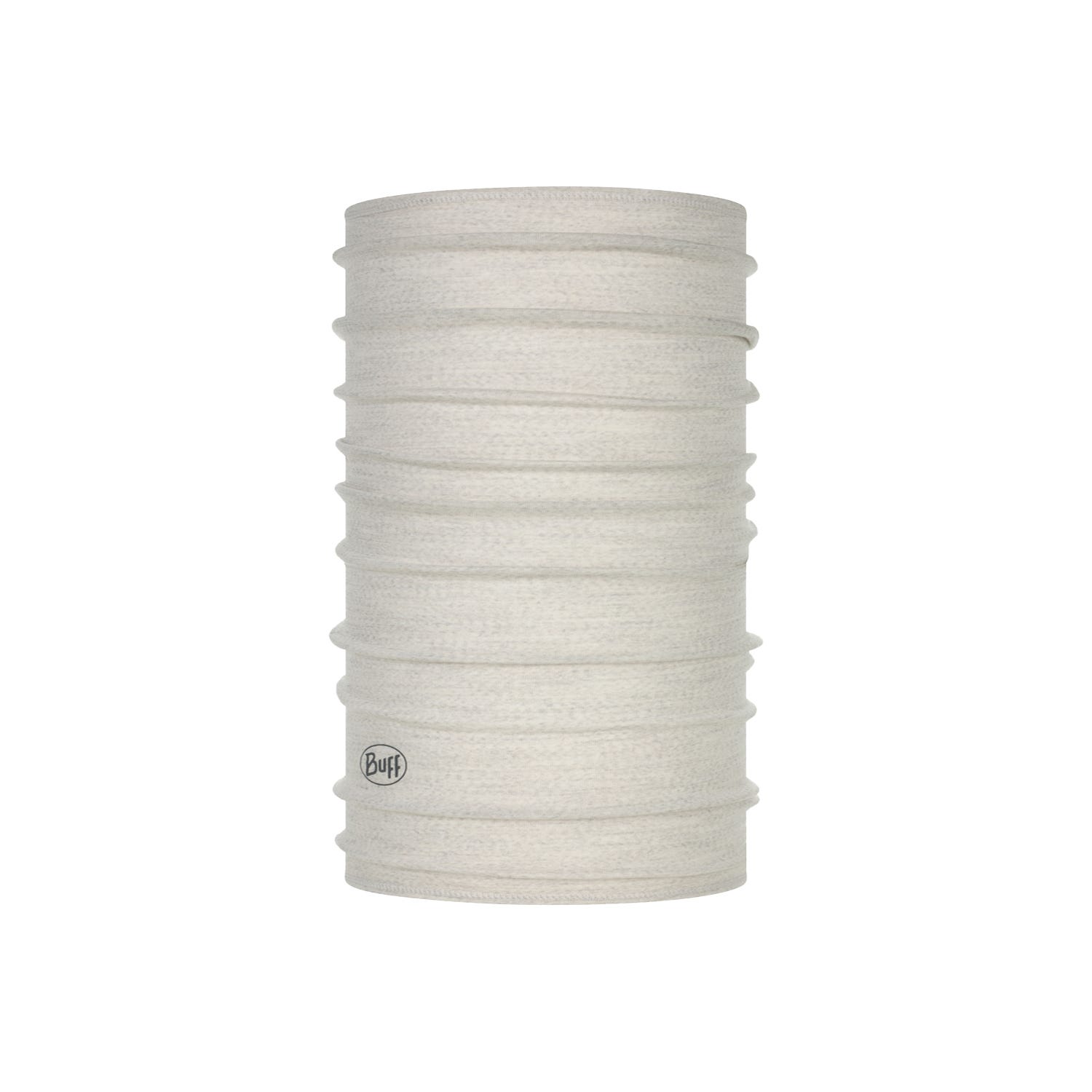
The BUFF Merino Lightweight Neckwear is a seamless, single-layer tube of 125 g/m² merino wool that weighs 44g (1.55 oz) and can be configured a dozen-plus ways — neck gaiter, beanie, headband, face mask, sleep mask, sun shield, and a handful of variations in between. It’s the most popular item in the BUFF lineup, and at 125 g/m² with a good amount of elastic stretch, it sets a benchmark for construction, comfort, and materials in the merino tube category. It’s aimed squarely at thru-hikers, fastpackers, and multi-sport adventurers who want one lightweight piece to cover a lot of functional ground.
Key Specs
| Spec | Value |
|---|---|
| Weight | 44 g (1.55 oz) |
| Material | 100% Merino Wool |
| Fabric Weight | 125 g/m² |
| Ways to Wear | 12+ |
| Wool Source | Ethically sourced, mulesing-free, Australia |
| Construction | Seamless tubular |
| Fit | One size fits most adults |

Would the Merino Lightweight Neckwear earn its spot in your pack?
44 g · 1.6 ozAdd the BUFF Merino Lightweight Neckwear to your Gear Closet and see exactly what it does to your base weight, then start packing for your next trip.
Free · No credit card · iOS, Android & web · Trusted by 3,000+ backpackers
Performance
Temperature range and breathability
At 125 g/m², this is BUFF’s lightest merino weight, and that shows on the trail. The merino wool version demonstrates superior performance over synthetic and cotton offerings — breathability and temperature control make it more tolerable in hot conditions, while it performs equally well for thermal protection when it’s cold. In practice, I find it genuinely useful from around 30°F on the cold end (as a standalone layer during active output) up through mild summer mornings as a sun shield or headband. It works well for cool, windy days, but you’ll want something heavier for sustained below-freezing weather.
One underrated trick with merino: it works as a neck cooler when dunked in a cold stream. Wet merino doesn’t feel clammy yet still manages to cool the skin, and the material breathes even easier when wet. On a hot desert ridgeline or a sustained climb in summer, that’s a real functional advantage over a synthetic tube.
Odor resistance
This is where merino earns its reputation over days-long trips. Among users who’ve tested multiple BUFF versions, merino suits multi-day needs best — it’s highly breathable and wicks sweat so effectively that bacteria doesn’t have a chance to develop, meaning it doesn’t smell after a long day of hiking. In my experience, I can get three to four days of continuous wear before it needs a rinse. A synthetic equivalent needs washing more often.
Versatility and fit
The neckwear is several inches longer than other BUFF headwear
, which means more fabric to work with when doubling it into a beanie or pulling it fully over the face.
The merino version runs a little looser than the standard BUFF Original, which is less constricting for those with more hair or a larger head.
That looser fit is a double-edged sword — comfortable during lower-output activities, but
it can stretch and slip during high-output use like running or biking.
If you’re primarily a trail runner or cyclist, the Icebreaker Flexi Chute’s snugger fit may serve you better; the BUFF wins on breathability and ease of movement.
Sun protection also deserves mention. Experienced thru-hikers use the merino BUFF primarily for sun protection across nearly every outdoor activity — thru-hiking, biking, skiing, kayaking, and running. Pulled up over the nose and under a wide-brim hat, it covers the gap that sunscreen alone misses on the neck and lower face.
Cold-weather limitations
Don’t expect this to be your only layer below about 25°F at rest. It’s comfortable and reasonably warm, but can freeze quickly in heavy snow conditions — some users have had to swap to a different gaiter while skiing in wet, cold weather. Pair it with a hood or beanie once temperatures drop and winds pick up.
Durability
This is the most polarizing aspect of the Merino Lightweight. The thin 125 g/m² knit is deliberately minimal, and that matters for longevity. Some experienced users have gone through three merino BUFFs over ten years without seam failure, though the material does wear thin after repeated washings and excessive sun exposure. On the positive end of the spectrum, one thru-hiker wore a single merino BUFF through the Te Araroa (2,000 miles), the PCT (2,700 miles), and part of the CDT (700 miles) before retiring it. On the other end, some users report holes developing after only eight months of regular winter use, and have found BUFF’s customer support unresponsive to quality complaints. The honest picture: longevity varies, and this is not a bulletproof piece of kit. Wash it in cold water on a gentle cycle, avoid wringing, and don’t leave it crammed under a pack strap for miles.
Pros & Cons
Pros
- 44g is essentially free weight — it disappears in any pack
- Seamless construction with quality wool and excellent stretch
- Natural odor resistance extends wear between washes on multi-day trips
- Ethically sourced merino from Australian sheep; 100% natural, cruelty-free wool
- Genuinely useful across a wide temperature range and in multiple wear configurations
- Doubles as a sleep mask, pillow sleeve, or emergency bandage in a pinch
- Made in BUFF’s own company-owned factory in Spain, ensuring consistent quality control
Cons
- Durability is inconsistent — some units develop holes faster than others
- Looser fit can slip during fast-paced activities like trail running
- 125 g/m² is too thin to serve as your sole insulation layer in hard winter conditions
- In wet, snowy conditions, a merino BUFF stays wetter than synthetic alternatives — snow accumulates on the surface
- BUFF’s 30-day return window is tight for a product where wear issues may surface over months
- Occasional itchiness reported by sensitive-skinned users, though most find 125 g/m² fine next to skin
Who Should Buy This
This is a near-perfect piece for thru-hikers and UL backpackers who want a single, minimal accessory to handle sun protection, light insulation, odor management, and camp comfort in one 44g package. For thru-hiking and traveling especially, it’s a hard product to beat for “bang per gram.” It also makes sense as a three-season trail runner’s go-to. If you need dedicated alpine warmth or regularly push into sustained wet-snow conditions, step up to the BUFF Merino Midweight or a windproof gaiter.
Verdict
The BUFF Merino Lightweight Neckwear does more useful work per gram than almost anything else in a backpacker’s kit. The durability question is real — this is a thin piece of fabric that needs care — but the combination of versatility, natural odor resistance, breathability, and sub-50g weight makes it a standard inclusion on my gear list from spring through fall, and most winter trips too. At roughly $29–30, it’s also one of the more reasonable value propositions in the ultralight space. Rating: 8.5/10.