Aclima WoolNet Review
Aclima's WoolNet is a merino-and-polyamide mesh base layer that trades durability for airflow and a wider comfort range on cold, high-output days.
Overview
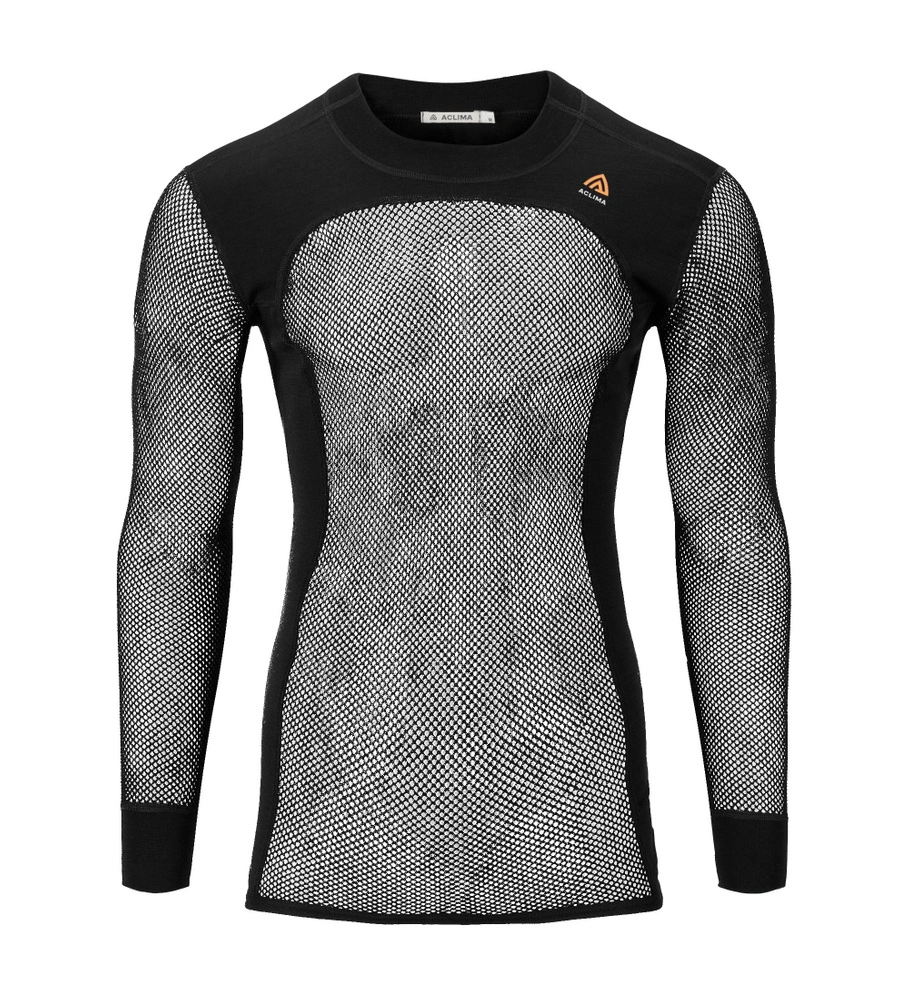
Aclima has been making wool underwear in Norway since 1939, and WoolNet is its open-knit answer to the problem of overheating in the cold. The fabric is a merino-polyamide mesh that traps small pockets of air against the skin. It is built for hard-working hikers, ski tourers and hunters who run warm. The trade-off is plain: it is a specialist layer that is excellent at managing sweat, and its seams get less praise for durability.
Key Specs
| Spec | Detail |
|---|---|
| Weight | 166 g |
| Main fabric | 80% merino wool, 20% polyamide, 120 g/m² |
| Rib panels | 96% merino wool, 4% elastane, 250 g/m² |
| Wool fineness | 19.5 micron |
| Construction | Open mesh with rib-knit panels at high-wear zones |
| Seams | Flatlock |
| Fit | Slim (per Aclima’s men’s WoolNet Original listings) |
| Care | Wash at 30°C, no tumble dryer, no fabric softener, no bleach, no ironing |

Build your Gear Closet
View all of your gear in one place, create packing lists and hit the trail with confidence. Available on iOS, Android and the web.
Get StartedPerformance
Moisture and temperature. The mesh is the whole idea. Air trapped between the fibers gives insulation at rest, while the open structure lets heat and vapor leave when output climbs. Aclima describes the effect as thermostat-like, and owners tend to agree. One Finnish buyer who hikes and cycles in it says the mesh widens the useful temperature range compared with a regular merino base layer, and that sweat never feels sticky. Another reports that it keeps the wearer warm without much perspiration. Wool’s low-odor habit makes it a fit for multi-day trips where a shower is days away.
Cold-weather use. The layer works best around freezing and below, and it is usually worn as a system, not alone. One hiker described walking 35 km through a windy night at -7°C in the WoolNet shirt, a 200 g wool shirt and a breathable pit-zip shell, and staying dry. Because the mesh holds less moisture against the skin, owners find it feels warmer than a solid merino layer of similar weight. In summer conditions it is more than most people need, though a few owners wear it year-round under motorcycle gear or a drysuit.
Comfort. The mesh fabric is 19.5-micron merino blended with polyamide, and it has been through Aclima’s Total Easy Care treatment, which is meant to reduce itch and shrinkage. Buyers call it soft and unobtrusive. One said the feel against bare skin was odd on the first wear and became normal quickly. On pack-carrying garments, rib-knit panels over the shoulders and along the sides take the brunt of strap pressure, and flatlock seams keep chafing down. The long-sleeve versions add reinforced elbows and a drop tail for coverage.
Durability. This is the weak spot. The polyamide helps the net resist wear better than pure merino mesh would, and Aclima adds reinforcement patches at the elbows. Even so, owners flag the seams. One long-term wearer has patched them several times in a year of use, and another recommends putting the shirt on and taking it off slowly to avoid tearing them. A mesh garment is simply less forgiving than a tightly knit one, and WoolNet is no exception to that rule. Sleeves run a little short for some tall wearers, and the cut is slim, so those between sizes should go up.
Layering. WoolNet is designed to sit next to the skin with a denser wool layer over it. Reviewers describe a good result when a 150–200 g merino top goes on top, with the mesh passing moisture outward. Worn alone under a shell, it can feel breezy at low output.
Pros & Cons
Pros
- Open mesh vents heat during climbs and still insulates at rest
- Widens comfort range compared with standard merino base layers
- 166 g is light for a cold-weather base layer
- Rib-knit panels and flatlock seams work well under pack straps
- Merino resists odor on multi-day trips
- Reinforced elbows on the long-sleeve versions
Cons
- Seams are the repeated complaint in long-term use and may need patching
- Slim cut, and sleeves run short for some tall hikers
- Too warm and too airy for hot weather, and breezy when worn alone at low effort
- Price runs high: about €95 for the T-shirt and roughly $160 for the long-sleeve crew
- Needs a gentle 30°C wash with no dryer
Who Should Buy This
Buy it if you hike, ski-tour or hunt in cold conditions and sweat heavily while moving. It suits those who stop for long breaks and want a layer that does not turn clammy. It is also a smart choice for shoulder-season thru-hikers who layer a mid-weight wool top over a base. Look elsewhere if you need a rugged single layer for bushwhacking, if you hike in warm weather, or if you prefer a loose cut. Those who want a garment to wear alone in cool wind are better served by a solid-knit merino or synthetic top.
Verdict
WoolNet is among the better ways to avoid the sweat-then-chill cycle in cold weather. Its airflow and low weight justify the price for high-output hikers, as long as the wearer treats the seams with some care. A strong choice for cold-weather layering, and not one to expect to last forever.